It was 11:47 PM on a random Wednesday, and I was staring into the fridge like it owed me money. A half-empty jar of Dijon mustard, a lemon that had seen better days, and a bottle of honey that was crystallizing at the bottom. I had a serious craving for something bright and tangy—not a heavy, creamy dressing, but something that would wake up the sad bag of arugula sitting in my crisper drawer. I didn’t have any fancy shallots or fresh herbs, but I had the basics and a wild idea that maybe, just maybe, I could make a vinaigrette that didn’t taste like an afterthought.
So there I was, in my pajamas, whisking together honey and mustard in a bowl that was slightly too small—honestly, it was a cereal bowl—and squeezing that lemon with my bare hands because I couldn’t find the reamer. I added a splash of olive oil, a pinch of salt, and then I did something I’d never tried before: I added a tiny splash of warm water to emulsify it, because the oil-to-vinegar ratio felt off. And you know what? It worked. The dressing came together in this beautiful, creamy swirl that clung to the back of a spoon. I dipped a finger in (no judgment, it was almost midnight) and let me tell you—it was perfect. Bright, a little sweet, a little tangy, and so light it felt like it was doing my taste buds a favor.
That late-night experiment turned into my go-to dressing. It’s the kind of recipe you keep in your back pocket for when you need a salad to feel like a real meal, not a chore. Maybe you’ve been there—standing in front of an open fridge, hungry and uninspired, wishing for something that tastes like effort but takes none. This is that dressing. It’s simple, it’s forgiving, and it makes everything it touches taste a little more alive.
Why You’ll Love This Recipe
This isn’t just another vinaigrette recipe—it’s the one I’ve tweaked and tested over dozens of late-night salads, and it’s the one that finally made me stop buying bottled dressing. Here’s why it works so well:
- Quick & Easy : It comes together in under 5 minutes. No blender, no chopping, no fuss. Just a bowl, a whisk, and a few pantry staples.
- Simple Ingredients : You probably have everything you need right now. Honey, Dijon mustard, a lemon, olive oil, salt, and pepper. That’s it.
- Perfect for Meal Prep : This dressing keeps beautifully in the fridge for up to a week. Make it on Sunday and have bright, fresh salads all week long.
- Crowd-Pleaser : It’s tangy enough for adults but sweet enough for kids. I’ve brought it to potlucks and watched people go back for thirds.
- Unbelievably Light : No heavy cream, no mayo, no guilt. It’s the kind of dressing that makes you feel good about eating a giant bowl of greens.
What makes this dressing different from the rest is the technique—adding a tiny bit of warm water to help the oil and mustard emulsify into a creamy, cohesive dressing without needing a food processor or an extra egg yolk. It’s a trick I learned from a chef friend who told me, “Sometimes the simplest fix is the one you overlook.” And honestly, it changed everything. This isn’t just another version of honey Dijon dressing; it’s the version that finally works every single time, without separating or turning into a greasy mess.
This recipe is for the days when you want a salad that feels like a treat, not a punishment. It’s for the nights when you’re too tired to cook but still want something homemade. It’s light, it’s bright, and it’s the kind of dressing that makes you actually look forward to eating your vegetables.
What Ingredients You Will Need
This recipe uses simple, wholesome ingredients to deliver bold flavor and a silky texture without any fuss. Most of these are pantry staples, which means you can whip up this dressing anytime the craving strikes.
- Honey (2 tablespoons) – Use a runny, liquid honey for easy mixing. If your honey is crystallized, warm the jar in a bowl of hot water for a few minutes. I like using local wildflower honey for a more complex flavor, but clover honey works beautifully too. (Adds natural sweetness and helps balance the acidity of the lemon.)
- Dijon mustard (1 tablespoon) – This is the backbone of the dressing. It provides tang, depth, and acts as a natural emulsifier to help the oil and vinegar blend together smoothly. I recommend Grey Poupon or Maille for the best flavor. Avoid yellow mustard here—it’s too sharp and lacks the creamy texture.
- Fresh lemon juice (3 tablespoons, about 1 large lemon) – Always use fresh lemon juice. The bottled stuff has a flat, metallic taste that will ruin the bright flavor of this dressing. Roll the lemon on the counter before cutting to get the most juice out of it. (Provides acidity and freshness.)
- Extra virgin olive oil (1/4 cup) – Use a good-quality extra virgin olive oil for the best flavor. You don’t need the most expensive bottle, but avoid anything labeled “light” or “pure” olive oil—they lack the fruity, peppery notes that make this dressing shine. (Adds richness and body.)
- Warm water (1-2 tablespoons) – This is the secret ingredient. Adding a splash of warm water helps the dressing emulsify into a creamy, cohesive mixture without separating. Don’t skip it! (Helps create a smooth, pourable texture.)
- Salt (1/4 teaspoon, or to taste) – Fine sea salt or kosher salt works best. Salt is crucial here because it enhances all the other flavors and balances the sweetness of the honey. (Seasoning and flavor enhancer.)
- Black pepper (1/8 teaspoon, or to taste) – Freshly ground black pepper adds a subtle warmth and complexity. I prefer a medium grind for this dressing. (Adds a gentle kick.)
Substitution Guidance: For a vegan version, swap the honey with maple syrup or agave nectar. For a low-FODMAP option, use garlic-infused olive oil and omit the black pepper. If you don’t have Dijon mustard, you can use whole-grain mustard for a different texture, but the flavor will be less sharp.
Equipment Needed
You don’t need any fancy gadgets for this recipe—just a few basic kitchen tools that you probably already own.
- Small mixing bowl – A cereal bowl or small glass bowl works perfectly. Avoid metal bowls if you can, as they can sometimes react with the acidity of the lemon juice and give the dressing a slightly metallic taste.
- Whisk – A standard wire whisk is ideal. If you don’t have one, you can use a fork, but it will take a bit more elbow grease to get a smooth emulsion. I’ve done it with a fork on many late nights, and it works—it just takes patience.
- Measuring spoons – For accuracy, especially with the honey and mustard. Eyeballing it can work, but for the best balance, measure it out.
- Citrus juicer or reamer – Optional but helpful for getting the most juice out of your lemon. I’ve squeezed lemons by hand for years, but a reamer makes it easier and less messy.
- Glass jar or airtight container – For storing the dressing in the fridge. A mason jar works beautifully and makes it easy to shake the dressing before using it.
If you’re on a budget, don’t worry about buying a fancy whisk or a citrus juicer. A fork and your hands will do the job. The most important tool is a good-quality bowl that’s big enough to whisk without splashing everywhere—trust me, I’ve learned that lesson the hard way.
Preparation Method
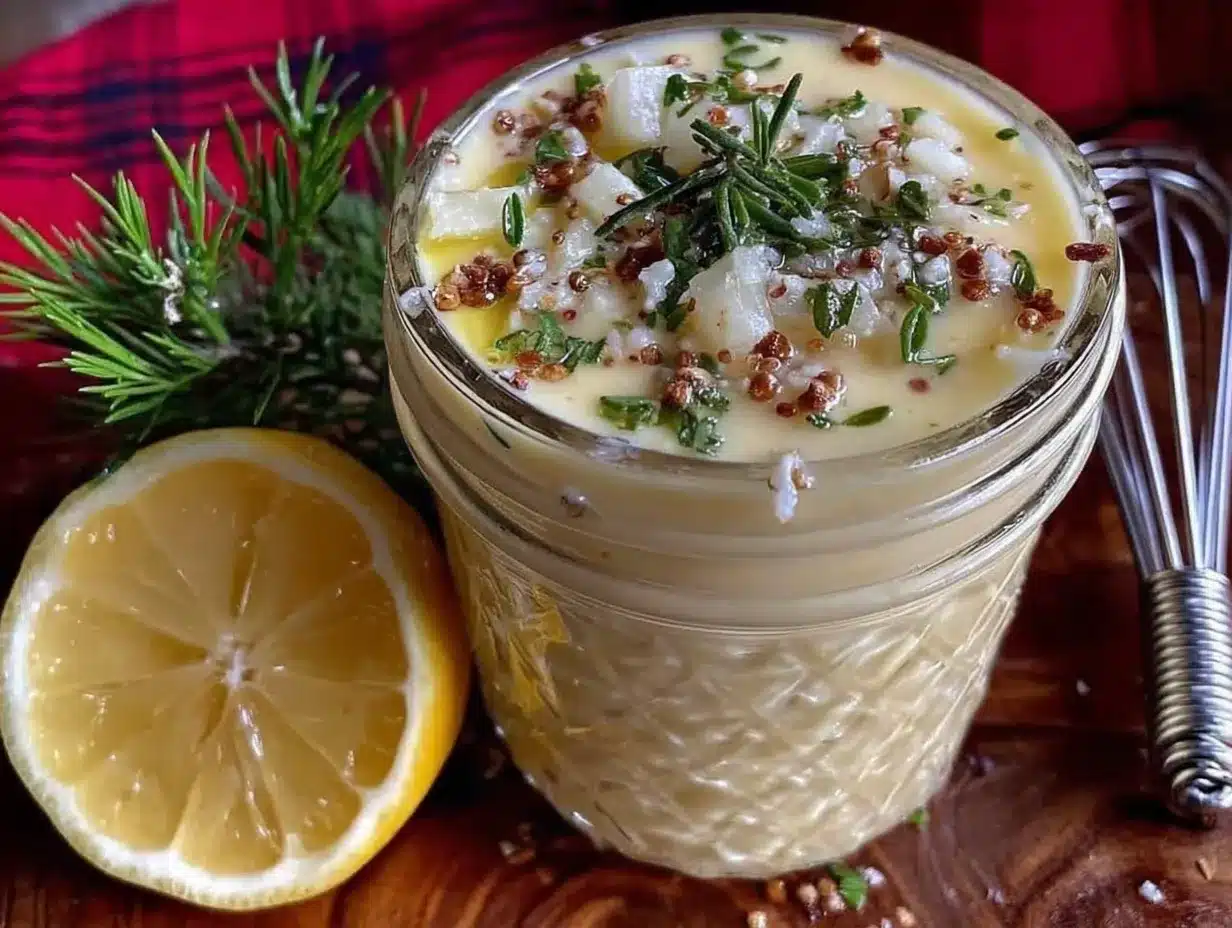
Follow these steps carefully, and you’ll have a perfectly emulsified, restaurant-quality vinaigrette in under 5 minutes. I’ve included sensory cues and troubleshooting tips to help you get it right every time.
- Prepare your lemon juice. Roll the lemon firmly on the countertop for 10-15 seconds to loosen the juices inside. Cut it in half crosswise (not lengthwise) for easier juicing. Squeeze the halves into a small bowl, removing any seeds. You should have about 3 tablespoons of juice. (Sensory cue: Fresh lemon juice should smell bright and zesty, not sour or bitter.)
- Combine the base ingredients. In your small mixing bowl, add the honey, Dijon mustard, and fresh lemon juice. Whisk them together until the honey is fully dissolved into the mustard and lemon juice. This should take about 30 seconds. The mixture will look thick and slightly cloudy. (Troubleshooting tip: If your honey is too thick to mix, warm the bowl slightly by placing it in a shallow dish of hot water for 1 minute.)
- Add the warm water. Slowly drizzle in 1 tablespoon of warm water while whisking constantly. The mixture will start to look lighter and more fluid. This step is crucial for creating a stable emulsion later. (Sensory cue: The mixture should look like a thin, pale yellow syrup at this point.)
- Whisk in the olive oil. While continuing to whisk vigorously, slowly drizzle in the olive oil in a thin, steady stream. Do not dump it all in at once—this is the most common mistake. The key is to add the oil slowly so the mustard and water can trap the oil droplets and create a creamy emulsion. Keep whisking until all the oil is incorporated and the dressing looks thick and glossy. (Sensory cue: The dressing should coat the back of a spoon and look opaque, not separated. If it looks greasy or oily, you added the oil too fast.)
- Season and adjust. Add the salt and black pepper, then whisk again to combine. Taste the dressing by dipping a clean spoon or a piece of lettuce into it. Adjust the seasoning if needed—add a pinch more salt if it tastes flat, a splash more lemon if it’s too sweet, or a drizzle more honey if it’s too tangy. (Personal tip: I always add a tiny pinch of salt at the end, even if I think it’s enough. Salt makes the flavors pop.)
- Emulsify one more time. If the dressing looks slightly separated, add another teaspoon of warm water and whisk vigorously for 10-15 seconds. This will bring it back together into a smooth, creamy dressing. (Troubleshooting tip: If your dressing breaks completely, don’t panic. Pour it into a blender or food processor and blend on low while adding a teaspoon of Dijon mustard. It will come back together.)
- Serve or store. Use the dressing immediately, or transfer it to a glass jar or airtight container. If storing, let it cool to room temperature before sealing and placing it in the refrigerator. The dressing will thicken slightly when chilled, so let it sit at room temperature for 10 minutes before using, and give it a good shake or whisk to re-emulsify.
Cooking Tips & Techniques
Over the years, I’ve made this dressing more times than I can count, and I’ve learned a few things the hard way. Here are my best tips for getting it perfect every time.
- The warm water trick is non-negotiable. I know it sounds weird, but adding warm water to the mustard and lemon juice before the oil creates a stable emulsion that won’t separate as easily. I once skipped this step because I was in a hurry, and my dressing looked like a science experiment gone wrong. Don’t skip it.
- Use room temperature ingredients. Cold olive oil can cause the emulsion to break. If your honey or mustard is cold from the fridge, let them sit on the counter for 10 minutes before starting. It makes a noticeable difference in how smoothly everything comes together.
- Whisk with purpose. You don’t need to whisk like you’re trying to win a race, but you do need to be consistent. A steady, rhythmic motion works best. If your arm gets tired, take a 5-second break, but don’t stop whisking completely or the oil will separate.
- Don’t be afraid to adjust. This recipe is a guideline, not a rule. If you like your dressing more tangy, add an extra teaspoon of lemon juice. If you prefer it sweeter, add another half tablespoon of honey. The best vinaigrette is the one that tastes right to you.
- Make a double batch. This dressing keeps beautifully for up to a week, so I always make a double batch on Sunday. It saves time and means I’m never tempted to reach for a store-bought bottle during a busy week.
- Use a glass jar for storage. Plastic containers can absorb odors and flavors over time, which can affect the taste of your dressing. A glass mason jar is perfect—it’s non-reactive, easy to clean, and you can shake the dressing right in the jar before using it.
Variations & Adaptations
One of the best things about this dressing is how easy it is to customize. Here are a few of my favorite variations that I’ve tested and loved.
- Herb Garden Vinaigrette: Add 1 tablespoon of finely chopped fresh herbs like parsley, chives, or dill to the finished dressing. This version is perfect for spring salads or drizzling over roasted vegetables. I tried this with fresh basil once, and it was incredible on a tomato and mozzarella salad.
- Spicy Honey Dijon: Add 1/2 teaspoon of red pepper flakes or a pinch of cayenne pepper along with the salt and pepper. The heat balances beautifully with the sweetness of the honey. I made this version for a taco salad, and it was a game-changer.
- Garlic Lover’s Vinaigrette: Mince 1 small garlic clove (or use a microplane) and let it sit in the lemon juice for 5 minutes before adding the other ingredients. This mellows the raw garlic flavor while still giving you that punch. I’ve also used roasted garlic mashed into a paste for a sweeter, more mellow version.
- Vegan Maple Dijon: Swap the honey with maple syrup for a vegan-friendly option. The maple flavor adds a lovely, earthy sweetness that pairs beautifully with fall salads featuring apples, walnuts, and goat cheese (or vegan feta).
- Citrus Twist: Replace 1 tablespoon of the lemon juice with fresh orange or grapefruit juice. This creates a slightly sweeter, more complex citrus flavor that’s amazing on spinach salads with berries.
For a low-oil version, you can reduce the olive oil to 2 tablespoons and increase the warm water to 3 tablespoons. The dressing will be thinner, but it will still have plenty of flavor and cling nicely to greens.
Serving & Storage Suggestions
This dressing is incredibly versatile, and I’ve found it works beautifully with so many dishes beyond just salads.
- Serving temperature: Serve the dressing at room temperature for the best flavor and texture. If it’s been in the fridge, let it sit on the counter for 10-15 minutes, then shake or whisk it well before using.
- Salad pairings: This dressing is perfect for simple green salads, but it also shines on more robust salads with roasted vegetables, grilled chicken, or crunchy nuts. I love it on a bed of arugula with shaved Parmesan and toasted pine nuts.
- Beyond salads: Drizzle it over roasted vegetables like asparagus, broccoli, or sweet potatoes. Use it as a marinade for chicken or fish (it works beautifully with salmon). It’s also amazing as a dipping sauce for fresh bread or crudités.
- Storage instructions: Store the dressing in an airtight glass jar in the refrigerator for up to 7 days. Do not freeze it—the emulsion will break, and the texture will be grainy when thawed.
- Reheating and refreshing: If the dressing separates after being in the fridge, don’t worry. Let it come to room temperature, then shake it vigorously or whisk it for 30 seconds. If it still looks separated, add a teaspoon of warm water and whisk again. The flavors will actually meld and deepen after a day or two in the fridge, so it might taste even better on day two.
Nutritional Information & Benefits
This dressing is light, wholesome, and made with ingredients that offer real nutritional benefits. Here’s a breakdown of what you’re getting in a 2-tablespoon serving.
| Nutrient | Amount Per Serving (2 tbsp) |
|---|---|
| Calories | 120 |
| Total Fat | 10g |
| Saturated Fat | 1.5g |
| Carbohydrates | 8g |
| Sugar | 7g |
| Sodium | 180mg |
Pin This Recipe!
Easy Light Honey Dijon Lemon Vinaigrette Recipe
A bright, tangy, and light vinaigrette made with honey, Dijon mustard, and fresh lemon juice. This quick and easy dressing comes together in under 5 minutes and is perfect for salads, marinades, or dipping.
- Prep Time: 5 minutes
- Cook Time: 0 minutes
- Total Time: 5 minutes
- Yield: 4 servings 1x
- Category: Condiment
- Cuisine: American
Ingredients
- 2 tablespoons honey
- 1 tablespoon Dijon mustard
- 3 tablespoons fresh lemon juice (about 1 large lemon)
- 1/4 cup extra virgin olive oil
- 1–2 tablespoons warm water
- 1/4 teaspoon salt (or to taste)
- 1/8 teaspoon black pepper (or to taste)
Instructions
- Prepare your lemon juice: Roll the lemon firmly on the countertop for 10-15 seconds to loosen the juices. Cut it in half crosswise and squeeze the halves into a small bowl, removing any seeds. You should have about 3 tablespoons of juice.
- Combine the base ingredients: In a small mixing bowl, add the honey, Dijon mustard, and fresh lemon juice. Whisk together until the honey is fully dissolved into the mustard and lemon juice, about 30 seconds. The mixture will look thick and slightly cloudy.
- Add the warm water: Slowly drizzle in 1 tablespoon of warm water while whisking constantly. The mixture will start to look lighter and more fluid.
- Whisk in the olive oil: While continuing to whisk vigorously, slowly drizzle in the olive oil in a thin, steady stream. Keep whisking until all the oil is incorporated and the dressing looks thick and glossy.
- Season and adjust: Add the salt and black pepper, then whisk again to combine. Taste and adjust seasoning if needed—add more salt, lemon juice, or honey to your preference.
- Emulsify one more time: If the dressing looks slightly separated, add another teaspoon of warm water and whisk vigorously for 10-15 seconds until smooth and creamy.
- Serve or store: Use immediately, or transfer to a glass jar or airtight container. If storing, let cool to room temperature before sealing and refrigerating. Let sit at room temperature for 10 minutes before using, and shake or whisk to re-emulsify.
Notes
For a vegan version, swap honey with maple syrup or agave nectar. For a low-FODMAP option, use garlic-infused olive oil and omit black pepper. The warm water trick helps create a stable emulsion. Use room temperature ingredients for best results.
Nutrition
- Serving Size: 2 tablespoons
- Calories: 120
- Sugar: 7
- Sodium: 180
- Fat: 10
- Saturated Fat: 1.5
- Carbohydrates: 8
Keywords: honey dijon vinaigrette, lemon vinaigrette, homemade salad dressing, easy vinaigrette, light dressing