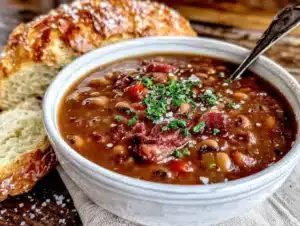
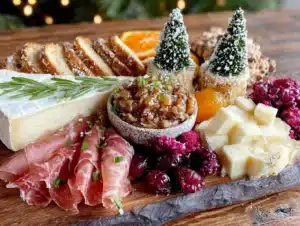
Sunday afternoon, the living room was already loud with pre-game analysis, and I was standing in my kitchen staring at a fridge full of ingredients that didn’t want to become a meal. The kickoff was in forty minutes. My husband had asked for something “snacky but real,” which is code for a spread that feels like an event without taking an hour to assemble. That is when I started pulling things out without a plan—cheeses, meats, pickles, crackers—and arranging them on the biggest wooden board I own. What came together in those frantic minutes became my go-to: the best football charcuterie board, a game-day spread that handles everything from the first quarter to the final whistle.
I wasn’t trying to be fancy. Honestly, I just wanted something that would keep people grazing without me having to run back to the kitchen every five minutes. But the way that board disappeared—the salami first, then the cheese, then someone dipping a cracker into the honey without asking—told me I had stumbled onto something worth repeating. It wasn’t about presentation or perfect symmetry. It was about balance: salty, sweet, tangy, crunchy, creamy, all within arm’s reach.
Over the years, I have tweaked and tested this board until it became less of a scramble and more of a ritual. I have learned which cheeses hold up best at room temperature (most do, honestly), which meats pair with which spreads, and how to make it all look intentional even when it is thrown together in a hurry. This board has survived Super Bowl parties, Sunday afternoon hangouts, and even a few Monday night games where I forgot to prep until halftime. It works because it is built for real people with real appetites.
Why You’ll Love This Recipe
This isn’t just another cheese board. This is the best football charcuterie board you will make this season, and here is why it stands apart from every other snack spread you have tried.
- No Cooking Required: You do not turn on the oven, the stove, or anything with a timer. Just arrange, serve, and enjoy. Perfect for when you want to watch the game, not babysit appetizers.
- Customizable for Any Crowd: Whether you are feeding two people or twelve, this board scales effortlessly. Add more meat, swap cheeses, toss in whatever is hiding in your fridge—it always works.
- Built for Grazing: Unlike hot apps that need constant attention, this board sits out for hours. People can nibble between plays without missing a single touchdown.
- Impress Without Stress: It looks like you spent an hour arranging everything, but the secret is that you did not. The beauty is in the abundance, not the precision.
- Perfect for Game Day: This board pairs with everything—beer, cocktails, soda, or water. It is the ultimate crowd-pleaser that keeps everyone happy from pre-game to the final score.
What makes this board different is the thought behind it. I have tested combinations that actually work together—not just visually, but flavor-wise. The salty prosciutto balances the creamy brie. The sharp cheddar cuts through the sweet honey. The cornichons and olives add that briny pop that keeps your palate fresh bite after bite. This is not a random pile of snacks. It is a curated experience that happens to look effortless.
And honestly? The best part is watching people discover their favorite combo. Someone will wrap a slice of salami around a cube of gouda, dip it in hot honey, and close their eyes like they just found something special. That is what this board is about—creating those little moments of joy between plays.
What Ingredients You Will Need
The beauty of the best football charcuterie board is that it uses simple, high-quality ingredients that do not require any cooking or complicated prep. You can find everything at your regular grocery store, and most of these are pantry staples for any entertaining household.
- Cheeses (3-4 varieties): Aim for a mix of textures and intensities. I usually go with one soft cheese (brie or camembert), one semi-hard (aged gouda or sharp cheddar), one hard (parmesan or manchego), and one funky option (blue cheese or goat cheese). Always bring cheese to room temperature before serving—it tastes better and spreads easier.
- Cured Meats (2-3 options): Prosciutto, salami, soppressata, or capicola all work beautifully. I recommend at least one sliced meat (like prosciutto) and one whole-slice option (like salami). Ask your deli counter to slice meats thick enough to handle without tearing.
- Crackers and Bread: A mix of textures here is key. I use water crackers, buttery crackers, and sliced baguette or crostini. Gluten-free options work perfectly too. You want enough vessels to hold all that cheese and meat without competing with the flavors.
- Fruits (Fresh and Dried): Grapes are my go-to fresh fruit because they do not brown and add a burst of sweetness. Apple slices work too, but toss them in lemon water to prevent browning. For dried fruits, I love dried apricots, figs, or dates—their concentrated sweetness balances the salty meats perfectly.
- Pickles and Olives: Cornichons, pickled okra, or pickled red onions add acidity that cuts through rich cheese. Olives—castelvetrano, kalamata, or stuffed—offer a briny pop. These are non-negotiable in my book. They keep the palate fresh and make each bite different.
- Nuts: Toasted almonds, candied pecans, or marcona almonds add crunch and a touch of sweetness. I prefer salted nuts to balance the richness of the cheese. If you have time, toast them in a dry pan for extra flavor.
- Spreads and Condiments: Honey (hot honey is amazing here), fig jam, whole-grain mustard, or a fruit chutney. These add a sweet or tangy element that ties everything together. I always include at least two spreads so people can mix and match.
- Fresh Herbs and Garnishes (Optional): Rosemary sprigs, thyme, or edible flowers add visual appeal without affecting flavor. I use them sparingly—just enough to make the board look intentional.
For the best results, I recommend buying cheese from a store with a good cheese counter where you can ask for samples. That way, you know exactly what you are getting. I personally love the aged gouda from Trader Joe’s and the prosciutto from Whole Foods, but any quality brand works. The key is freshness and variety—do not skimp here.
Equipment Needed
You do not need fancy tools to build the best football charcuterie board. Here is what I use every time:
- Large Wooden Board or Platter: A 12×18 inch board works for 4-6 people. For larger crowds, use a baking sheet lined with parchment paper—no one will know.
- Cheese Knives: At least two—one for soft cheese, one for hard. If you do not have dedicated cheese knives, small butter knives work fine.
- Small Bowls or Ramekins: For spreads, honey, olives, and nuts. These keep wet ingredients from making crackers soggy.
- Paring Knife: For slicing cheese and fruit. A sharp knife makes clean cuts and looks more intentional.
- Tongs or Small Spoons: For serving olives, pickles, and spreads. Keeps everything hygienic and easy to grab.
- Cheese Markers or Small Labels (Optional): Helpful if you are serving multiple cheeses and want guests to know what they are eating. I use little flags from the craft store.
If you do not have a wooden board, a large cutting board, a marble slab, or even a clean baking sheet works perfectly. I have used a pizza pan in a pinch and it looked great. The equipment does not matter as much as the arrangement.
Preparation Method
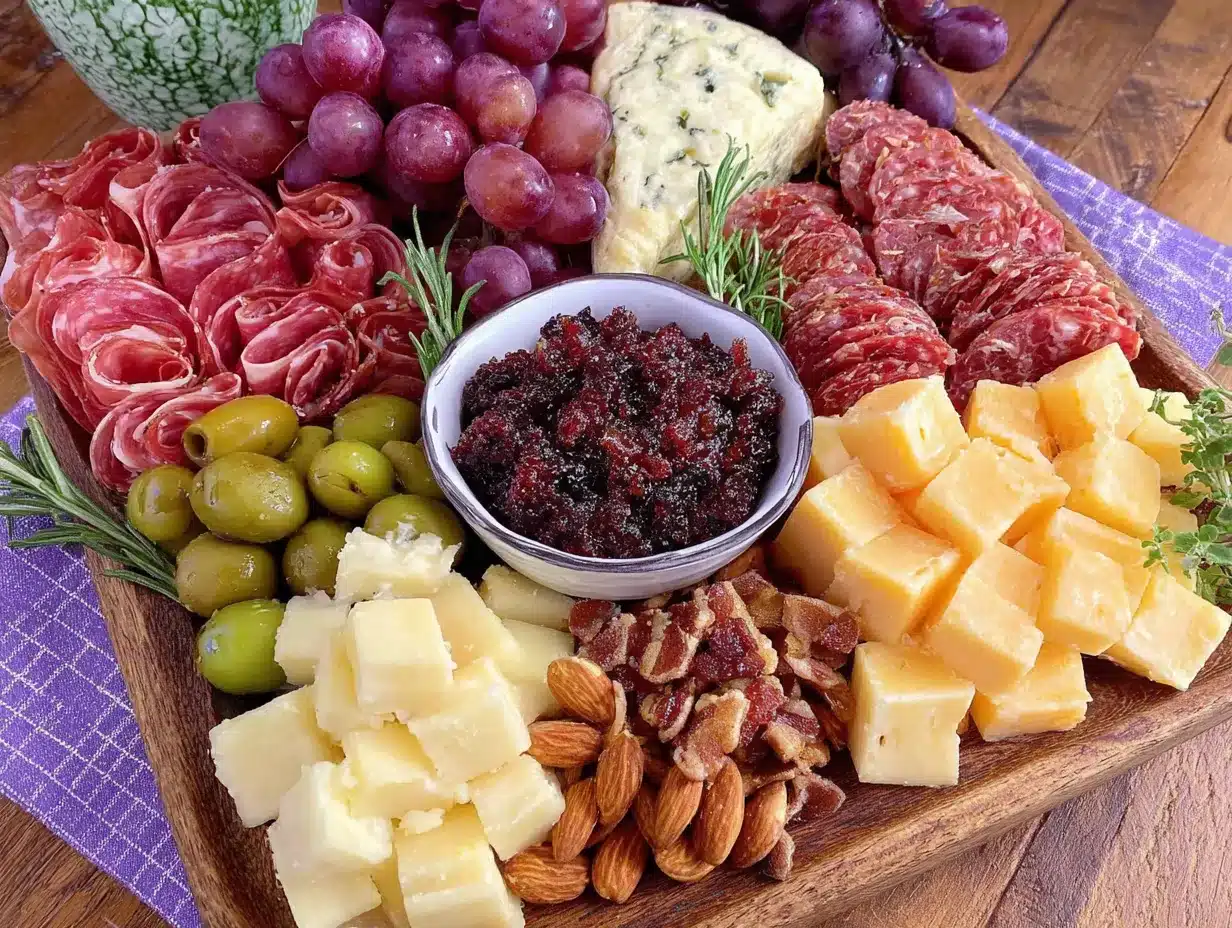
Building the best football charcuterie board is more about strategy than skill. Follow these steps and you will have a stunning spread in under 20 minutes.
- Take cheese out of the fridge 30 minutes before serving. This is the most important step. Cold cheese tastes flat. Let it come to room temperature for maximum flavor and creaminess. While waiting, prep everything else.
- Choose your board or platter. Make sure it is clean and dry. If using a wooden board, rub it with a little mineral oil if it looks dry. Place your small bowls for spreads, olives, and nuts first—these anchor the layout.
- Place the cheeses first. Arrange them around the board, spaced evenly. Soft cheese (brie) goes on one side, hard cheese (parmesan) on the other. Cut hard cheeses into slices or cubes so people do not have to struggle. Leave soft cheeses whole with a knife nearby.
- Add the meats. Fold prosciutto into loose ribbons or roll it into rosettes. Arrange salami slices in overlapping rows or fan them out. Place meats near their complementary cheeses—prosciutto next to brie, salami near cheddar.
- Fill in with fruits and pickles. Scatter grapes, apple slices, dried apricots, and figs in the gaps. Add cornichons and olives in small clusters. These bright, acidic elements break up the richness of cheese and meat.
- Add crackers and bread. Arrange them in groups around the board, not scattered everywhere. I like to place them near the cheeses they pair best with. Water crackers near brie, baguette slices near cheddar. Leave enough space between groups so people can grab without knocking things over.
- Add spreads and nuts. Spoon honey, fig jam, and mustard into small bowls. Place them strategically around the board so every section has access to a spread. Sprinkle nuts in small piles or in bowls—they add crunch and visual texture.
- Garnish and fill gaps. Tuck fresh rosemary sprigs or thyme around the board. Fill any empty spaces with extra crackers or nuts. The board should look abundant, not sparse. Do not leave large empty areas—everything should feel intentional.
- Serve immediately or within 30 minutes. The board is best at room temperature. If you made it ahead, cover with plastic wrap and refrigerate, but let it sit out for 20 minutes before serving to take the chill off.
One tip I learned the hard way: do not overcrowd the board. If you have too much food, use a second board or a plate. An overcrowded board looks messy and makes it hard for people to grab what they want. Leave a little breathing room between items.
Cooking Tips & Techniques
After making this board for countless game days, I have learned a few tricks that make a real difference. Here are my best tips for the best football charcuterie board.
Balance is everything. You want a mix of textures and flavors on every bite. Pair creamy cheese with crunchy crackers, salty meat with sweet fruit, tangy pickles with rich cheese. If one element is missing, the board feels flat. Taste as you arrange and adjust accordingly.
Cut cheese the right way. Soft cheeses like brie should be cut into wedges or left whole with a knife. Hard cheeses like parmesan should be shaved or cut into thin slices. Semi-hard cheeses like gouda work best as cubes or thin wedges. Uniform cuts make the board look professional and make it easier for guests to serve themselves.
Do not forget the acidity. Pickles, olives, and cornichons are not just decoration—they are palate cleansers. After a bite of rich cheese or salty meat, a cornichon cuts through the fat and refreshes your mouth for the next bite. I always include at least one pickled element.
Keep spreads separate. Never pour honey or jam directly onto the board where it can mix with other ingredients. Use small bowls or ramekins. This keeps everything tidy and allows people to choose their own combinations.
Make it ahead without stress. You can prep everything except the crackers and fresh fruit up to 24 hours in advance. Arrange the cheese, meats, and spreads on the board, cover tightly with plastic wrap, and refrigerate. Add crackers and fresh fruit right before serving to keep them crisp and fresh.
Temperature matters. Cheese should never be served straight from the fridge. Let it sit at room temperature for at least 30 minutes. The same goes for cured meats—they taste better when they are not ice cold. If you made the board ahead, let it sit out for 20 minutes before serving.
I once served a board where the brie was still cold and the crackers were stale. It was a disaster. Now I always check the temperature and texture of everything before guests arrive. A little attention to detail goes a long way.
Variations & Adaptations
The best football charcuterie board is endlessly adaptable. Here are some variations I have tried and loved.
- Spicy Game Day Board: Swap the honey for hot honey, add pickled jalapeños, use pepper jack cheese instead of gouda, and include spicy salami or chorizo. This version is perfect for crowds who like heat. I made this for a playoff game and it disappeared in minutes.
- Vegetarian Board: Skip the meat and double up on cheese. Add marinated artichoke hearts, roasted red peppers, hummus, and stuffed grape leaves. Include extra nuts and dried fruits for protein. This version is just as satisfying and works for mixed-diet crowds.
- Low-Carb Board: Replace crackers with cucumber slices, bell pepper strips, or endive leaves. Use full-fat cheeses and plenty of nuts. Add hard-boiled eggs and avocado slices for extra fat and protein. This is my go-to when I am watching my carbs but still want to indulge.
- Sweet and Savory Board: Add dark chocolate squares, fresh berries, and a drizzle of balsamic glaze over the cheese. Include fig jam and honeycomb for sweetness. Pair with a bold red wine or a dark beer. This version feels luxurious and works for dessert or a party.
- Budget-Friendly Board: Use block cheese you cut yourself instead of pre-sliced. Choose one good meat and supplement with roasted nuts and pickles. Use store-brand crackers and seasonal fruit. This version costs half as much but still feels special.
I have also experimented with seasonal variations. In the fall, I add sliced apples and pears, dried cranberries, and a pumpkin seed brittle. In the summer, I use fresh peaches, cherries, and a basil-infused honey. The board evolves with the seasons, which keeps it exciting year after year.
Serving & Storage Suggestions
The best football charcuterie board is meant to be served at room temperature. Arrange everything on the board no more than 30 minutes before serving. If you are hosting a longer game, replenish crackers and fruit as needed—they tend to disappear first.
For presentation, I like to place the board in the center of the table where everyone can reach it. Provide small plates and napkins so people can build their own combinations. If you have space, add a small bowl for discarded toothpicks or olive pits.
Pair this board with a variety of drinks. Beer is the obvious choice—IPAs, lagers, and stouts all work. For wine, a crisp Sauvignon Blanc or a light Pinot Noir complements the cheese without overwhelming it. Cocktails like a whiskey sour or a spicy margarita also pair beautifully. Do not forget sparkling water with lemon for non-drinkers.
If you have leftovers (which is rare, but happens), store cheese and meat separately in airtight containers. Cheese should be wrapped in wax paper or parchment paper, not plastic wrap, to prevent sweating. Meats can be wrapped in plastic or stored in a sealed container. Leftover crackers should be stored in an airtight bag to maintain crispness.
Reheat? You do not need to. This board is served cold or at room temperature. If you made it ahead, simply let it sit out for 20 minutes before serving to take the chill off. The flavors actually improve after sitting for an hour or two as the cheese softens and the meats release their oils.
I have found that this board tastes even better the next day if you have leftovers. The cheese continues to soften, and the flavors meld together. Just add fresh crackers and fruit before serving again.
Nutritional Information & Benefits
While the best football charcuterie board is an indulgence, it does offer some surprising nutritional benefits. Here is an estimated breakdown per serving (based on a standard board serving 6-8 people):
- Calories: Approximately 400-500 per serving (varies based on cheese and meat choices)
- Protein: 15-20 grams from cheese and cured meats
- Fat: 25-35 grams (mostly healthy fats from cheese, nuts, and olive oil)
- Carbohydrates: 20-30 grams (from crackers, fruit, and spreads)
- Fiber: 3-5 grams from nuts, fruit, and crackers
The health benefits come from the quality ingredients. Cheese provides calcium and protein. Nuts offer healthy fats and fiber. Fruits and vegetables (grapes, apples, pickles) deliver vitamins and antioxidants. Cured meats, while high in sodium, are eaten in small quantities and provide protein and iron.
For dietary considerations, this board can be adapted easily. Use gluten-free crackers for a gluten-free option. Choose dairy-free cheese alternatives for a vegan board. Skip the honey for a sugar-free version. The board is naturally low in added sugars when you focus on whole ingredients.
I personally love that this board allows for mindful eating. You control your portions by choosing what goes on your plate. It is easy to overindulge, but a small plate with a variety of items feels satisfying without being excessive.
Conclusion
The best football charcuterie board is more than just a snack spread—it is the centerpiece of game day. It brings people together, encourages conversation, and keeps everyone happy between plays. I have made this board for Super Bowl parties, Sunday afternoon games, and even Monday night matchups, and it never fails to impress.
What I love most about this board is its adaptability. You can make it your own by swapping cheeses, adding your favorite meats, or experimenting with seasonal fruits. It is a template, not a rigid recipe. The more you make it, the more you will discover combinations that work for your crowd.
I encourage you to try this board for your next game day. Start with the basics, then tweak it based on what you and your guests love. Leave a comment below and tell me your favorite cheese and meat pairing—I am always looking for new ideas. And if you try a variation, share it with us. Game day is better when we all share the snack table.
So grab your board, your favorite cheese, and a cold drink. The game is about to start, and this board is ready for it.
Frequently Asked Questions
How far in advance can I make a charcuterie board?
You can assemble the cheese, meats, and spreads up to 24 hours in advance. Cover the board tightly with plastic wrap and refrigerate. Add crackers, fresh fruit, and delicate garnishes right before serving to keep everything crisp and fresh.
What is the best cheese for a football charcuterie board?
I recommend a mix: one soft cheese like brie, one semi-hard like aged gouda or sharp cheddar, and one hard like parmesan. Add a funky option like blue cheese if you have adventurous eaters. The variety ensures everyone finds something they love.
How much food do I need per person?
For a game day board where people are grazing for 2-3 hours, plan on 3-4 ounces of cheese and 2-3 ounces of meat per person. Add about 1/2 cup of crackers and 1/4 cup of nuts per person. Adjust based on your crowd—hungry football fans might eat more.
Can I make a charcuterie board without a wooden board?
Absolutely. Use a large cutting board, a marble slab, a baking sheet lined with parchment paper, or even a clean pizza pan. The board does not matter as much as the arrangement. Focus on variety and abundance, and it will look great on any surface.
How do I keep crackers from getting soggy on the board?
Place crackers away from wet ingredients like spreads, olives, and pickles. Use small bowls for spreads and wet items. If you are making the board ahead, add crackers right before serving. Stale crackers ruin the experience, so keep them separate until the last minute.
Pin This Recipe!
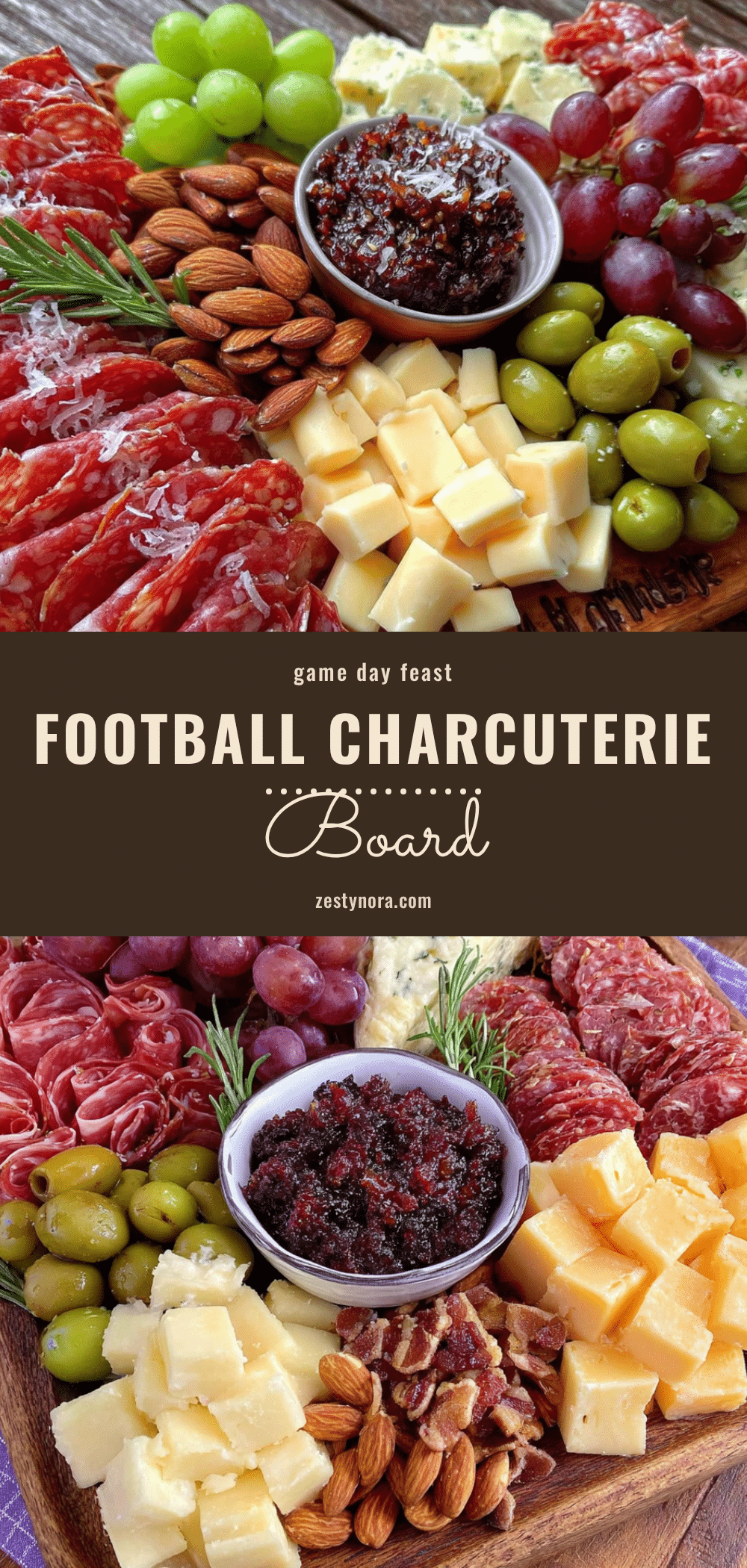
Best Football Charcuterie Board for Game Day
A no-cook, crowd-pleasing charcuterie board perfect for game day, featuring a balanced mix of cheeses, cured meats, fruits, pickles, nuts, and spreads that can be assembled in under 20 minutes.
- Prep Time: 20 minutes
- Cook Time: 0 minutes
- Total Time: 20 minutes
- Yield: 6-8 servings 1x
- Category: Appetizer
- Cuisine: American
Ingredients
- 3–4 varieties of cheese (brie, aged gouda, sharp cheddar, parmesan, blue cheese)
- 2–3 cured meats (prosciutto, salami, soppressata, capicola)
- Crackers and bread (water crackers, buttery crackers, sliced baguette or crostini)
- Fresh fruits (grapes, apple slices tossed in lemon water)
- Dried fruits (dried apricots, figs, dates)
- Pickles and olives (cornichons, pickled okra, pickled red onions, castelvetrano olives, kalamata olives)
- Nuts (toasted almonds, candied pecans, marcona almonds)
- Spreads and condiments (honey, hot honey, fig jam, whole-grain mustard, fruit chutney)
- Fresh herbs and garnishes (rosemary sprigs, thyme, edible flowers – optional)
Instructions
- Take cheese out of the fridge 30 minutes before serving to bring to room temperature.
- Choose a clean, dry board or platter. Place small bowls for spreads, olives, and nuts first to anchor the layout.
- Arrange cheeses around the board, spaced evenly. Place soft cheese (brie) on one side, hard cheese (parmesan) on the other. Cut hard cheeses into slices or cubes.
- Add meats: fold prosciutto into loose ribbons or roll into rosettes. Arrange salami slices in overlapping rows or fan them out. Place meats near complementary cheeses.
- Fill in with fruits and pickles: scatter grapes, apple slices, dried apricots, and figs in gaps. Add cornichons and olives in small clusters.
- Add crackers and bread in groups around the board, near the cheeses they pair best with.
- Spoon honey, fig jam, and mustard into small bowls. Place strategically around the board. Sprinkle nuts in small piles or in bowls.
- Garnish with fresh rosemary sprigs or thyme. Fill any empty spaces with extra crackers or nuts.
- Serve immediately or within 30 minutes. If made ahead, cover with plastic wrap and refrigerate, then let sit out for 20 minutes before serving.
Notes
Balance is key: pair creamy cheese with crunchy crackers, salty meat with sweet fruit, tangy pickles with rich cheese. Cut cheese properly: soft cheeses into wedges, hard cheeses shaved or sliced, semi-hard cheeses into cubes. Keep spreads separate in small bowls to prevent sogginess. Can be prepped up to 24 hours in advance (add crackers and fresh fruit just before serving). Let cheese sit at room temperature for at least 30 minutes before serving.
Nutrition
- Serving Size: 1 serving (approxima
- Calories: 400500
- Sugar: 1015
- Sodium: 8001000
- Fat: 2535
- Saturated Fat: 1015
- Carbohydrates: 2030
- Fiber: 35
- Protein: 1520
Keywords: charcuterie board, football, game day, appetizer, cheese board, party food, no-cook, grazing board