I was standing in line at the DMV—a place where hope goes to die slowly—when the woman ahead of me started talking about eggnog. Not the carton kind you buy at the grocery store, but a cooked custard version her grandmother made every Christmas. She was a tax accountant named Margaret, and she wore sensible shoes and a cardigan that looked like it had seen a few decades. Honestly, she was the last person I expected to be discussing holiday traditions with, but there I was, clutching my number ticket, completely captivated by her description of a rich, velvety drink that didn’t involve raw eggs.
Let me tell you, I’d been burned before by homemade eggnog. The whole raw egg thing always made me nervous, even when I used pasteurized eggs. There’s that little voice in the back of your head wondering if you’re playing Russian roulette with salmonella. Margaret laughed when I mentioned this. “That’s why you cook it, dear,” she said, like it was the most obvious thing in the world. And honestly, it was. I mean, why hadn’t I thought of that before? She scribbled her recipe on the back of a DMV appointment reminder card—I still have it somewhere in my recipe box—and told me it had been in her family for three generations.
The best cooked custard eggnog recipe isn’t just about safety, though. It’s about texture. That silky, almost pudding-like consistency that you can only get from gently heating eggs with milk and sugar until everything comes together in perfect harmony. The first time I made it, I accidentally let the mixture get too hot and ended up with sweetened scrambled eggs. Total disaster. But I learned, and now this no raw eggs eggnog is the star of every holiday gathering I host. It’s the kind of thing that makes people close their eyes after the first sip, and honestly, maybe you’ve been there—looking for that perfect holiday drink that feels special but doesn’t come with a side of food safety anxiety.
Why You’ll Love This Recipe
Let’s be real for a second. If you’re hosting a holiday gathering, the last thing you need is to worry about whether your signature drink is going to make your guests sick. This best cooked custard eggnog recipe takes that worry completely off the table. By gently cooking the egg base, you get all the richness and creaminess of traditional eggnog without any of the raw egg concerns. It’s a game-changer for holiday hosting, and here’s why you’re going to absolutely love it:
- Perfect for Parties: This recipe scales beautifully. Whether you’re serving four or forty, you can easily multiply the ingredients without losing any of that silky texture. I’ve made a triple batch for our annual Christmas Eve open house, and it disappeared faster than the cookies.
- No Raw Eggs, No Worries: This is the big one. Cooking the custard base means pregnant guests, elderly family members, and anyone with a compromised immune system can enjoy it without a second thought. You get to be the host who thinks of everything.
- Make-Ahead Friendly: Here’s the secret—this eggnog actually gets better after a day or two in the fridge. The flavors meld together, the texture thickens slightly, and you can prep it entirely before your guests arrive. One less thing to stress about when you’re trying to get the appetizers out.
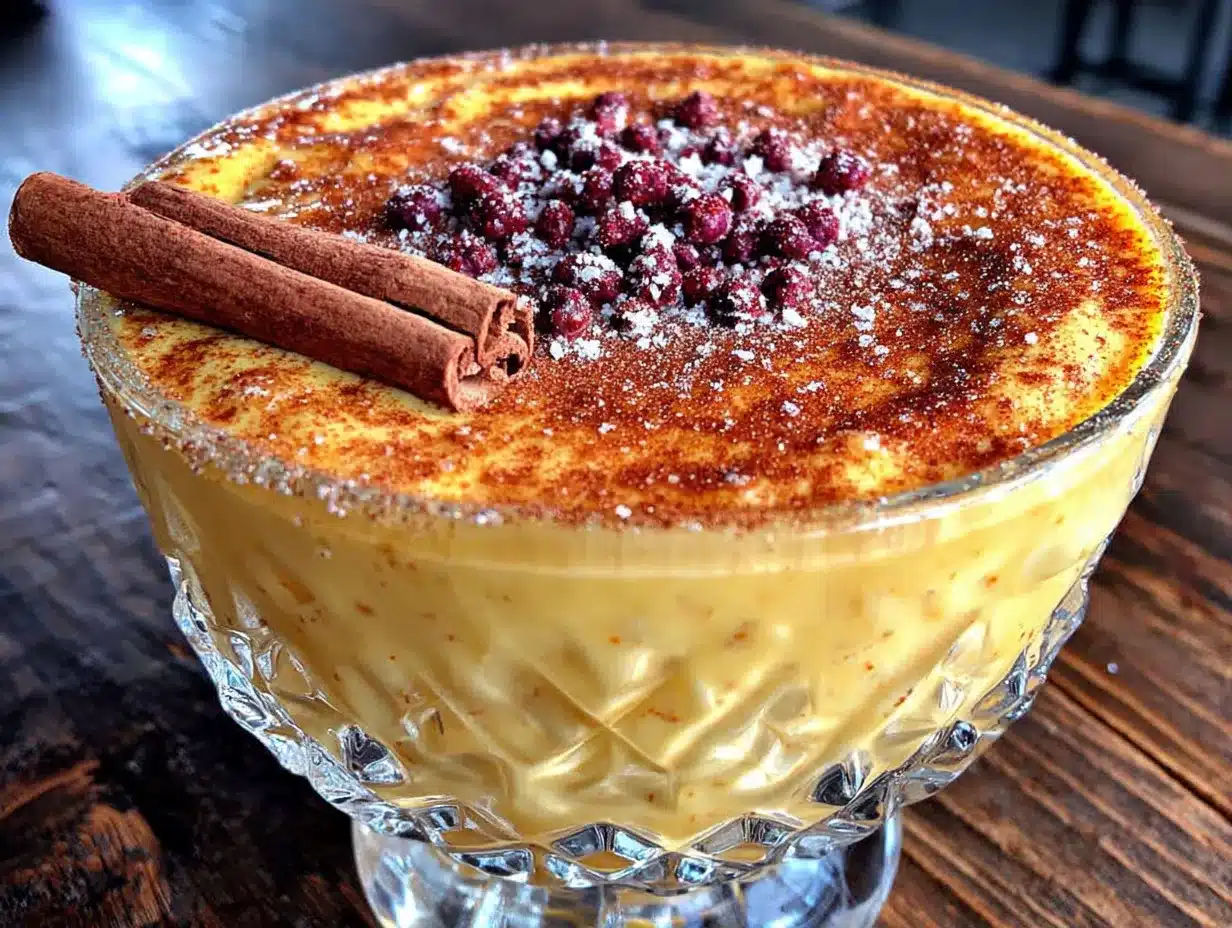
- Impressive Presentation: Serve this in a beautiful punch bowl with a cinnamon stick and a dollop of whipped cream, and your guests will think you spent hours in the kitchen. Little do they know the actual hands-on time is about 20 minutes.
- Customizable Spirit Options: This recipe works beautifully as a base for whatever you want to add. Bourbon, rum, brandy, or keep it non-alcoholic—the choice is yours. I usually set out a little tray of options and let guests spike their own cups.
I’ve tested this recipe more times than I care to admit, tweaking the temperature, the cooking time, and the ratio of ingredients until it was just right. What you’re getting here is my best version—the one that’s been approved by picky relatives, skeptical friends, and at least one professional chef who happened to stop by during a party. It’s comfort in a cup, and it’s going to make your holiday hosting so much easier.
What Ingredients You Will Need
This best cooked custard eggnog recipe uses simple, wholesome ingredients that you probably already have in your kitchen. The magic happens when they come together through gentle heat and a little patience. Here’s what you’ll need:
For the Custard Base
- 6 large egg yolks (save the whites for another use, or make a quick meringue)
- ¾ cup granulated sugar (I prefer organic cane sugar for a cleaner sweetness)
- 2 cups whole milk (don’t even think about using skim—you need the fat for richness)
- 1 cup heavy cream (this gives that luxurious mouthfeel)
- 1 teaspoon vanilla extract (use pure vanilla, not imitation)
- ½ teaspoon ground nutmeg (freshly grated if you have it—the difference is incredible)
- ¼ teaspoon salt (just a pinch to balance the sweetness)
For Serving
- Additional heavy cream (for whipping into soft peaks)
- Freshly grated nutmeg (for garnish)
- Cinnamon sticks (for stirring and presentation)
- Optional spirits: bourbon, dark rum, or brandy (about 1-2 ounces per serving)
A few notes on ingredients that I’ve learned through trial and error. First, the egg yolks are non-negotiable for that thick, custard-like texture. The whites would make it too thin and foamy. I usually save them for a quick omelet the next morning or fold them into scrambled eggs. Second, whole milk is your friend here. I tried this with 2% once, and it just wasn’t the same—too thin, too watery. You want that full-fat richness that makes this no raw eggs eggnog feel like a special treat.
When it comes to the nutmeg, I cannot stress enough how much better freshly grated nutmeg is compared to the pre-ground stuff. It’s one of those small details that makes a huge difference. I keep a whole nutmeg in my spice drawer along with a microplane, and it takes about 10 seconds to grate what I need. The aroma alone will make your kitchen smell like Christmas. If you’re hosting a crowd, consider doubling or tripling this recipe—trust me, people will want seconds.
Equipment Needed
You don’t need fancy equipment to make this best cooked custard eggnog, but having the right tools makes the process smoother. Here’s what I use:
- Medium saucepan (heavy-bottomed is best to prevent scorching—I use my Le Creuset, but any good quality pan works)
- Whisk (a balloon whisk is ideal for getting into the corners of the pan)
- Large mixing bowl (for whisking the egg yolks and sugar)
- Fine-mesh strainer (this is crucial—it catches any bits of cooked egg that might have formed)
- Candy thermometer or instant-read thermometer (optional but highly recommended for beginners)
- Pitcher or bottle (for storing the finished eggnog in the fridge)
- Hand mixer or stand mixer (for whipping the cream, though you can do it by hand if you’re feeling ambitious)
If you don’t have a thermometer, don’t worry. I’ll give you visual cues that work just as well. The key is to watch for the mixture to thicken enough to coat the back of a spoon—that’s your signal that it’s ready. As for the fine-mesh strainer, it’s not just for show. Even experienced cooks occasionally get a few tiny cooked egg bits, and the strainer catches them before they end up in your finished drink. I learned this the hard way after serving “chunky” eggnog to my in-laws one year. Never again.
Preparation Method
Making this best cooked custard eggnog is easier than you might think, but it does require a little patience and attention. The key is low and slow—rushing the process will result in sweetened scrambled eggs, and nobody wants that. Here’s exactly how I do it:
- Prepare the egg base: In a large mixing bowl, whisk together the 6 egg yolks and ¾ cup granulated sugar until the mixture turns pale yellow and thickens slightly. This should take about 2-3 minutes of vigorous whisking. You’re looking for a ribbon-like consistency where the mixture falls off the whisk in a smooth, continuous stream. This step is important because the sugar helps stabilize the eggs and prevents them from curdling when you add the hot milk.
- Heat the milk mixture: In your medium saucepan, combine the 2 cups whole milk, 1 cup heavy cream, and ¼ teaspoon salt. Heat over medium-low heat, stirring occasionally, until the mixture is steaming hot but not boiling. You should see small bubbles forming around the edges of the pan, but no rolling boil. This usually takes about 5-7 minutes. If you’re using a thermometer, you’re looking for about 180°F. Don’t walk away during this step—milk can go from perfectly heated to scorched in seconds.
- Temper the eggs: This is the most important step, so pay attention. Slowly drizzle about ½ cup of the hot milk mixture into the egg yolk mixture while whisking constantly. This gradually raises the temperature of the eggs without cooking them too quickly. Keep whisking as you add another ½ cup of hot milk. You’re essentially acclimating the eggs to the heat so they don’t scramble when you add them to the pot.
- Combine and cook: Pour the tempered egg mixture back into the saucepan with the remaining hot milk. Place the pan over medium-low heat and cook, stirring constantly with your whisk, until the mixture thickens enough to coat the back of a spoon. This usually takes 5-8 minutes. Don’t stop stirring—not even for a second. If you see any tiny bubbles starting to form at the edges, reduce the heat immediately. The mixture should steam and thicken slowly, not boil.
- Test for doneness: Dip a wooden spoon or silicone spatula into the custard and run your finger across the back. If the line holds and doesn’t fill in with liquid, your custard is ready. Alternatively, if you’re using a thermometer, you’re looking for 170°F to 175°F. Anything above 180°F and you risk scrambling the eggs.
- Strain and cool: Immediately remove the pan from the heat and pour the custard through your fine-mesh strainer into a clean bowl or pitcher. This catches any tiny bits of cooked egg that might have formed. Stir in the 1 teaspoon vanilla extract and ½ teaspoon ground nutmeg. Let the custard cool at room temperature for about 30 minutes, then cover and refrigerate until completely chilled, at least 4 hours or overnight.
- Whip the cream: When you’re ready to serve, pour about 1 cup of cold heavy cream into a chilled bowl. Whip with a hand mixer or stand mixer until soft peaks form—you want it light and fluffy, not stiff. Gently fold about half of the whipped cream into the chilled custard to lighten it up. Reserve the rest for topping each serving.
- Serve and enjoy: Pour the eggnog into cups or a punch bowl. Top each serving with a dollop of whipped cream, a generous grating of fresh nutmeg, and a cinnamon stick for stirring. If you’re adding spirits, let your guests pour their own so everyone can customize their drink.
A few things I’ve learned the hard way: First, if you notice the custard starting to get lumpy during cooking, immediately plunge the bottom of the pan into a bowl of cold water and whisk vigorously. You might be able to save it before it fully scrambles. Second, don’t skip the chilling step. The eggnog needs time to thicken properly and develop its flavor. Overnight is ideal, but 4 hours is the minimum. And finally, if you’re making this for a party, do yourself a favor and make it a day ahead. The flavor is better, and you’ll have one less thing to worry about when your guests arrive.
Cooking Tips & Techniques
After making this best cooked custard eggnog more times than I can count, I’ve picked up a few tricks that make the process smoother and the results more consistent. Here are my top tips:
Low heat is your friend. I cannot emphasize this enough. The biggest mistake people make is rushing the cooking process. If you try to speed things up by cranking up the heat, you’ll end up with lumps. Keep the flame low and be patient. I usually set my burner to the lowest setting and adjust from there. If you see steam rising but no bubbles, you’re in the sweet spot.
Whisk in a figure-eight pattern. This might sound silly, but it really helps. Instead of just stirring in circles, use a figure-eight motion that reaches every part of the pan. This prevents hot spots from forming and ensures even cooking. I picked this up from a pastry chef friend, and it made a noticeable difference in my consistency.
Have your strainer ready before you start cooking. Once the custard reaches the right temperature, you need to strain it immediately. If you’re scrambling to find your strainer while the custard sits in the hot pan, you risk overcooking it. Set everything up before you begin—it’s one of those small preparations that makes a huge difference.
Don’t skip the tempering step. I know it’s tempting to just dump the hot milk into the eggs and hope for the best, but tempering is what prevents scrambled eggs. Adding the hot liquid slowly while whisking constantly raises the temperature of the eggs gradually, allowing them to thicken without cooking too quickly. It takes an extra 2 minutes, and it’s absolutely worth it.
Trust your senses over your thermometer. While a thermometer is helpful, I’ve found that visual cues are actually more reliable. When the custard coats the back of a spoon and leaves a clean line when you run your finger through it, it’s done. I’ve had thermometers give me false readings before, but the spoon test has never let me down.
Variations & Adaptations
One of the things I love about this best cooked custard eggnog recipe is how adaptable it is. Over the years, I’ve experimented with different variations, and here are some of my favorites:
Dairy-Free Version: Substitute the whole milk with full-fat oat milk or canned coconut milk (the kind in the can, not the carton). Use coconut cream instead of heavy cream. The texture will be slightly different—a bit thinner—but still delicious. I’ve served this to dairy-free guests and they couldn’t tell the difference.
Spiced Eggnog: Add a cinnamon stick, 2 whole cloves, and a star anise to the milk while it heats. Let them steep for 10 minutes before straining them out. This infuses the milk with warm spices that complement the nutmeg beautifully. I do this when I want something a little more complex for a special occasion.
Chocolate Eggnog: Whisk in ¼ cup of good quality cocoa powder with the sugar and egg yolks. You’ll want to increase the sugar by about 2 tablespoons to balance the bitterness of the cocoa. This version is dangerously good—rich, chocolatey, and perfect for dessert.
Boozy Variations: While I let guests add their own spirits, I do have a favorite combination: 1 part dark rum, 1 part bourbon, and a splash of amaretto. It’s what I pour for myself after the guests have gone home and I’m sitting by the tree. For a lighter option, just bourbon or just dark rum works beautifully.
Eggnog Latte Base: Make the custard as directed but use only 1 cup of milk and 1 cup of strong brewed coffee instead of 2 cups of milk. This creates a concentrated eggnog base that you can use to make lattes. Just add a few tablespoons to a cup of hot coffee and top with whipped cream. It’s my go-to Christmas morning drink.
Serving & Storage Suggestions
This best cooked custard eggnog is versatile enough to serve in a variety of ways, and it stores beautifully for days. Here’s what I recommend:
Serving Temperature: Serve this eggnog cold, straight from the fridge. The texture is thick and luxurious when chilled, almost like a drinkable pudding. If you prefer it warm, you can gently reheat individual servings in the microwave for about 30 seconds, but honestly, cold is where this recipe shines.
Presentation Ideas: For parties, I love serving this in a large glass punch bowl with a ladle. Float a few cinnamon sticks and star anise on top for visual appeal. For individual servings, use clear glass mugs or punch cups so guests can see the beautiful creamy color. Top each serving with a generous dollop of whipped cream, a sprinkle of freshly grated nutmeg, and a cinnamon stick for stirring.
What to Serve Alongside: This eggnog pairs beautifully with gingerbread cookies, shortbread, or a simple sugar cookie. I also love serving it alongside a cheese board with sharp cheddar and apple slices—the richness of the eggnog contrasts nicely with the tangy cheese. If you’re hosting a brunch, set out a tray of mini muffins or scones for dipping.
Storage Instructions: Store the eggnog in an airtight container in the refrigerator for up to 5 days. The flavor actually improves after a day or two as the spices meld together. Do not freeze this eggnog—the texture will become grainy and separated when thawed. If you’ve added spirits, the alcohol will help preserve it slightly longer, but I still recommend finishing it within a week.
Reheating Tips: If you have leftovers and want to serve it warm, gently reheat individual servings in a small saucepan over low heat, stirring constantly. Do not boil it—you’ll risk curdling the eggs. A microwave works in a pinch, but use 50% power and stir every 15 seconds. I’ve found that adding a splash of fresh cream when reheating helps restore some of the original texture.
Nutritional Information & Benefits
Let’s be honest—this best cooked custard eggnog is a treat, not a health food. But that doesn’t mean it’s without its redeeming qualities. Here’s what you need to know:
Estimated Nutritional Values (per 6-ounce serving, without alcohol or whipped cream):
- Calories: 285
- Fat: 18g
- Carbohydrates: 26g
- Protein: 7g
- Sugar: 24g
Health Benefits of Key Ingredients: Egg yolks are rich in choline, which supports brain health, and vitamin D, which is important for immune function. The milk and cream provide calcium for strong bones. Nutmeg has been used in traditional medicine for its anti-inflammatory properties, though you’d need to eat a lot of it to get any significant benefit. The protein from the eggs and milk helps make this a more satisfying drink than store-bought versions.
Dietary Considerations: This recipe contains dairy and eggs, so it’s not suitable for vegans or those with allergies to these ingredients. It’s naturally gluten-free, which is great for guests with celiac disease or gluten sensitivity. If you’re watching your sugar intake, you can reduce the sugar to ½ cup, but the texture will be slightly thinner and less rich.
My Perspective: I believe in balance. This eggnog is a once-a-year indulgence for most people, and I think it’s worth enjoying fully. I’d rather have one small cup of the real thing than a giant glass of a watered-down version. Make it for special occasions, savor every sip, and don’t feel guilty about it. Life is too short for bad eggnog.
Conclusion
This best cooked custard eggnog recipe has become a non-negotiable part of my holiday hosting routine, and I honestly can’t imagine the season without it. It started with a chance encounter at the DMV—of all places—and turned into a tradition that my friends and family look forward to every year. There’s something magical about watching people’s faces light up when they take that first sip and realize how different it is from anything they’ve had before.
What I love most about this recipe is how it brings people together. Whether you’re hosting a big holiday party or just having a quiet night by the fire, a cup of this eggnog feels like a warm hug. It’s the kind of thing that makes the season feel special, and it’s so much easier to make than you might think. I hope you’ll give it a try and make it your own—add a little extra nutmeg, spike it with your favorite bourbon, or keep it simple and let the custard speak for itself.
I’d love to hear how it turns out for you! Drop a comment below and let me know if you tried any variations or if this became a new holiday tradition in your home. And if you’re looking for more holiday hosting inspiration, check out my classic baked brie with honey and walnuts or my slow cooker hot chocolate for a crowd—both perfect for your next gathering. Happy holidays, and cheers to good food, good drinks, and good company!
Frequently Asked Questions
Can I use this recipe to make eggnog ice cream?
Absolutely! Once the custard is chilled, churn it in an ice cream maker according to the manufacturer’s instructions. The texture will be incredibly creamy and rich. I’ve done this before and it’s a fantastic alternative to traditional ice cream for the holidays.
How do I know if I’ve cooked the custard long enough?
The spoon test is your best friend here. Dip a wooden spoon or silicone spatula into the custard and run your finger across the back. If the line holds and doesn’t fill in with liquid, your custard is ready. If you’re using a thermometer, look for 170°F to 175°F.
Can I make this eggnog without a thermometer?
Yes, absolutely. Many home cooks make perfect custard without one. Watch for visual cues: the mixture should steam and thicken, but never boil. When it coats the back of a spoon and leaves a clean finger swipe, you’re done. Trust your eyes and your instincts.
What’s the best alcohol to add to this eggnog?
It really depends on your preference, but I love a combination of dark rum and bourbon. The rum adds a molasses-like depth, while the bourbon brings warmth and a touch of vanilla. Brandy is also a classic choice. I recommend letting guests add their own so everyone can customize their drink.
Can I use low-fat milk instead of whole milk?
You can, but I wouldn’t recommend it. The fat in whole milk and cream is what gives this eggnog its luxurious, silky texture. Using low-fat milk will result in a thinner, more watery consistency. If you’re looking to reduce calories, I’d suggest making a smaller batch of the full-fat version rather than compromising on texture.
Pin This Recipe!
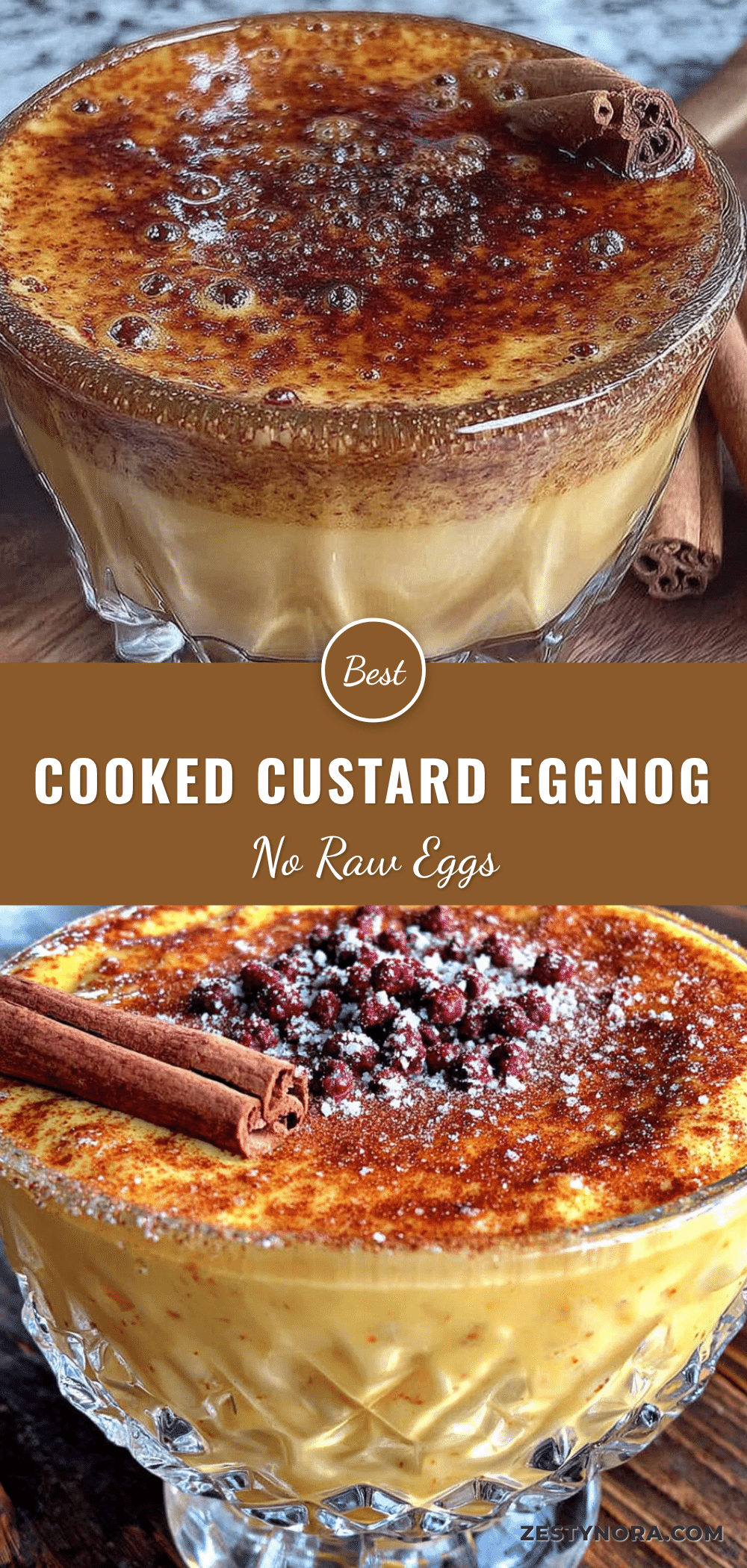
Best Cooked Custard Eggnog Recipe (No Raw Eggs)
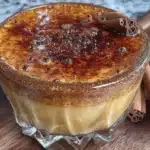
A rich, velvety eggnog made with a cooked custard base, eliminating raw egg concerns. Perfect for holiday gatherings, this recipe yields a silky, pudding-like texture that can be served cold or warm, with or without spirits.
- Prep Time: 20 minutes
- Cook Time: 15 minutes
- Total Time: 4 hours 35 minutes (includes chilling)
- Yield: 4 servings 1x
- Category: Beverage
- Cuisine: American
Ingredients
- 6 large egg yolks
- ¾ cup granulated sugar
- 2 cups whole milk
- 1 cup heavy cream
- 1 teaspoon vanilla extract
- ½ teaspoon ground nutmeg
- ¼ teaspoon salt
- Additional heavy cream (for whipping)
- Freshly grated nutmeg (for garnish)
- Cinnamon sticks (for stirring and presentation)
- Optional spirits: bourbon, dark rum, or brandy (about 1-2 ounces per serving)
Instructions
- In a large mixing bowl, whisk together the 6 egg yolks and ¾ cup granulated sugar until pale yellow and thick, about 2-3 minutes.
- In a medium saucepan, combine 2 cups whole milk, 1 cup heavy cream, and ¼ teaspoon salt. Heat over medium-low heat until steaming hot but not boiling (about 180°F), about 5-7 minutes.
- Slowly drizzle about ½ cup of the hot milk mixture into the egg yolk mixture while whisking constantly. Add another ½ cup of hot milk, whisking continuously.
- Pour the tempered egg mixture back into the saucepan with the remaining hot milk. Cook over medium-low heat, stirring constantly, until the mixture thickens enough to coat the back of a spoon, about 5-8 minutes.
- Test for doneness: dip a spoon into the custard and run your finger across the back; if the line holds, it’s ready. Alternatively, use a thermometer to reach 170°F to 175°F.
- Immediately remove from heat and pour through a fine-mesh strainer into a clean bowl or pitcher. Stir in 1 teaspoon vanilla extract and ½ teaspoon ground nutmeg.
- Let cool at room temperature for 30 minutes, then cover and refrigerate until completely chilled, at least 4 hours or overnight.
- When ready to serve, whip about 1 cup cold heavy cream until soft peaks form. Gently fold half into the chilled custard. Reserve the rest for topping.
- Pour into cups or a punch bowl. Top each serving with whipped cream, fresh nutmeg, and a cinnamon stick. Add spirits if desired.
Notes
Low heat is crucial to avoid scrambling eggs. The spoon test is reliable for doneness. Chilling overnight improves flavor. Do not freeze. For dairy-free, use full-fat oat milk or canned coconut milk and coconut cream.
Nutrition
- Serving Size: 6 ounces
- Calories: 285
- Sugar: 24
- Sodium: 120
- Fat: 18
- Saturated Fat: 10
- Carbohydrates: 26
- Protein: 7
Keywords: eggnog, cooked custard, no raw eggs, holiday drink, Christmas, custard eggnog