I was supposed to be making a traditional bread pudding. It was a Tuesday, I think, and I had this vision of a rich, custardy dessert that would use up the stale challah sitting on my counter. But somewhere between pulling out the eggs and realizing I had zero challah left — just a half-empty bag of day-old cinnamon rolls from the bakery — the whole plan went sideways. I stood there, staring at those sad little rolls, already running late for a dinner I was supposed to bring something to. Honestly, I almost just grabbed a box of cookies from the pantry and called it a day.
But then I thought, well, what if I just… used them? I mean, bread pudding is basically bread soaked in custard and baked. Cinnamon rolls are bread, right? So I chopped them up, threw them in a dish, and poured my custard mixture over the top. I figured it would either be a glorious accident or a total flop. Let me tell you, the moment I pulled that pan out of the oven, I knew I had stumbled onto something. The top was golden and crispy, the center was soft and almost gooey, and the whole kitchen smelled like a bakery had exploded. I didn’t even have time to make a glaze — I just dusted it with powdered sugar and ran out the door.
That night, I got three texts asking for the recipe. Three! From people who had no idea it was a happy accident. That’s when I knew I had to refine it, make it a little lighter so I could actually eat it for breakfast without feeling like I needed a nap afterward. This Lighter Overnight Cinnamon Roll Casserole with Cream Cheese Glaze is the result of that chaotic Tuesday. It’s the recipe I keep coming back to, and maybe you’ve had one of those moments where a mistake turns out better than the plan. This is that recipe.
Why You’ll Love This Recipe
Let’s be honest — traditional cinnamon roll casseroles can be a sugar bomb that leaves you feeling heavy and sluggish. This version? It’s different. It’s the kind of breakfast that feels indulgent but doesn’t wreck your whole morning. Here’s why it’s become my go-to for weekend brunches and holiday mornings alike:
- Quick & Easy: The hands-on time is about 15 minutes. Seriously. You toss everything together the night before, and in the morning, you just pop it in the oven. It’s perfect for when you have company or just want a stress-free morning.
- Simple Ingredients: You probably have most of this in your kitchen right now. No fancy grocery store trips needed. I use refrigerated cinnamon rolls (the kind in the tube) to keep it simple, but you can use bakery ones too.
- Perfect for Holidays & Brunch: Christmas morning, Easter brunch, or a lazy Sunday with friends — this dish fits right in. It’s impressive enough for guests but easy enough for a regular weekend.
- Crowd-Pleaser: I’ve served this to kids, adults, and picky eaters. Every single time, the dish comes back empty. The creamy, cinnamon-swirled bites with that tangy cream cheese glaze are just irresistible.
- Unbelievably Delicious: The texture is what gets me every time. The edges get slightly crispy and caramelized, while the center stays soft and custard-like. It’s comfort food at its finest, but with a few smart swaps that make it lighter.
What makes this different from every other cinnamon roll casserole out there? It’s the balance. I use low-fat milk instead of heavy cream, cut back on the sugar in the custard (the cinnamon rolls have plenty of sweetness already), and use a light cream cheese glaze that doesn’t skimp on flavor. It’s not just another version — it’s my best version, tested and tweaked over many breakfasts. This is the kind of dish that makes you close your eyes after the first bite. It’s comfort food reimagined — lighter, faster, but with the same soul-soothing satisfaction.
What Ingredients You Will Need
This recipe uses simple, wholesome ingredients to deliver that classic cinnamon roll flavor without the heavy feeling. Most of these are pantry staples, and I’ve included some easy swaps if you need them.
- For the Casserole:
- 2 cans (12.4 oz each) refrigerated cinnamon rolls with icing (I prefer Pillsbury Grands! for their fluffy texture; save the included icing packets for another use or thin them with milk for a quick drizzle)
- 4 large eggs, at room temperature (this helps them incorporate smoothly into the milk)
- 1 ½ cups low-fat milk (2% or whole milk works too; for a dairy-free option, use unsweetened almond or oat milk)
- ¼ cup granulated sugar (or a sugar substitute like monk fruit for a lower-sugar option)
- 1 tablespoon vanilla extract
- 1 teaspoon ground cinnamon
- ¼ teaspoon salt (balances the sweetness)
- For the Lighter Cream Cheese Glaze:
- 4 oz reduced-fat cream cheese, softened (Neufchâtel cheese works perfectly here)
- ½ cup powdered sugar (or powdered monk fruit sweetener)
- 2-3 tablespoons low-fat milk (add slowly until you reach your desired drizzling consistency)
- ½ teaspoon vanilla extract
- Optional Add-ins:
- ½ cup chopped pecans or walnuts (adds a nice crunch; toast them first for extra flavor)
- ¼ cup raisins or dried cranberries (if you like a little chewiness)
- A pinch of nutmeg or cardamom (for a warmer spice profile)
Ingredient Selection Tips: When choosing your cinnamon rolls, look for the ones that are soft and pillowy, not the thin, flat ones. The Grands! brand is my go-to because they hold their shape well and get that perfect texture after baking. For the cream cheese, make sure it’s at room temperature before you start mixing the glaze — cold cream cheese will give you a lumpy mess. I learned that the hard way!
Substitution Guidance: If you’re gluten-free, use gluten-free cinnamon rolls (I’ve had good luck with the brands that come in the refrigerated section). For a dairy-free version, swap the low-fat milk for unsweetened oat milk and use a dairy-free cream cheese alternative. The texture will be slightly different, but it’s still delicious. You can also use a sugar substitute in the custard and glaze if you’re watching your sugar intake — just know that the glaze might be a bit less glossy.
Equipment Needed
You don’t need a fancy kitchen to pull this off. Here’s what I use every time I make this casserole:
- 9×13-inch baking dish: This is the perfect size for two cans of cinnamon rolls. A glass or ceramic dish works best because it heats evenly. I’ve used metal pans before, and the edges tend to brown too quickly.
- Large mixing bowl: For whisking together the custard base. A glass or stainless steel bowl is fine.
- Whisk: A good whisk is essential for getting the eggs and milk fully combined without lumps.
- Sharp knife or pizza cutter: For cutting the cinnamon rolls into quarters. A pizza cutter makes this job so much faster and cleaner.
- Small saucepan or microwave-safe bowl: For warming the milk if you’re doing the quick-soak method.
- Plastic wrap or aluminum foil: For covering the dish while it rests overnight.
- Measuring cups and spoons: For accuracy, especially with the custard ingredients.
Budget-Friendly Options: Don’t have a 9×13 dish? You can use two 8×8 square dishes and adjust the baking time slightly. No whisk? A fork works in a pinch, though you’ll need to whisk a little longer to get the eggs fully incorporated. I’ve also used a silicone spatula to mix the custard when my whisk was in the dishwasher — it’s not perfect, but it gets the job done.
Maintenance Tip: If you’re using a glass dish, let it come to room temperature before putting it in the oven to prevent thermal shock. I once put a cold glass dish straight into a hot oven, and let’s just say I learned my lesson the hard way. Cracked dish, ruined breakfast, very sad morning.
Preparation Method
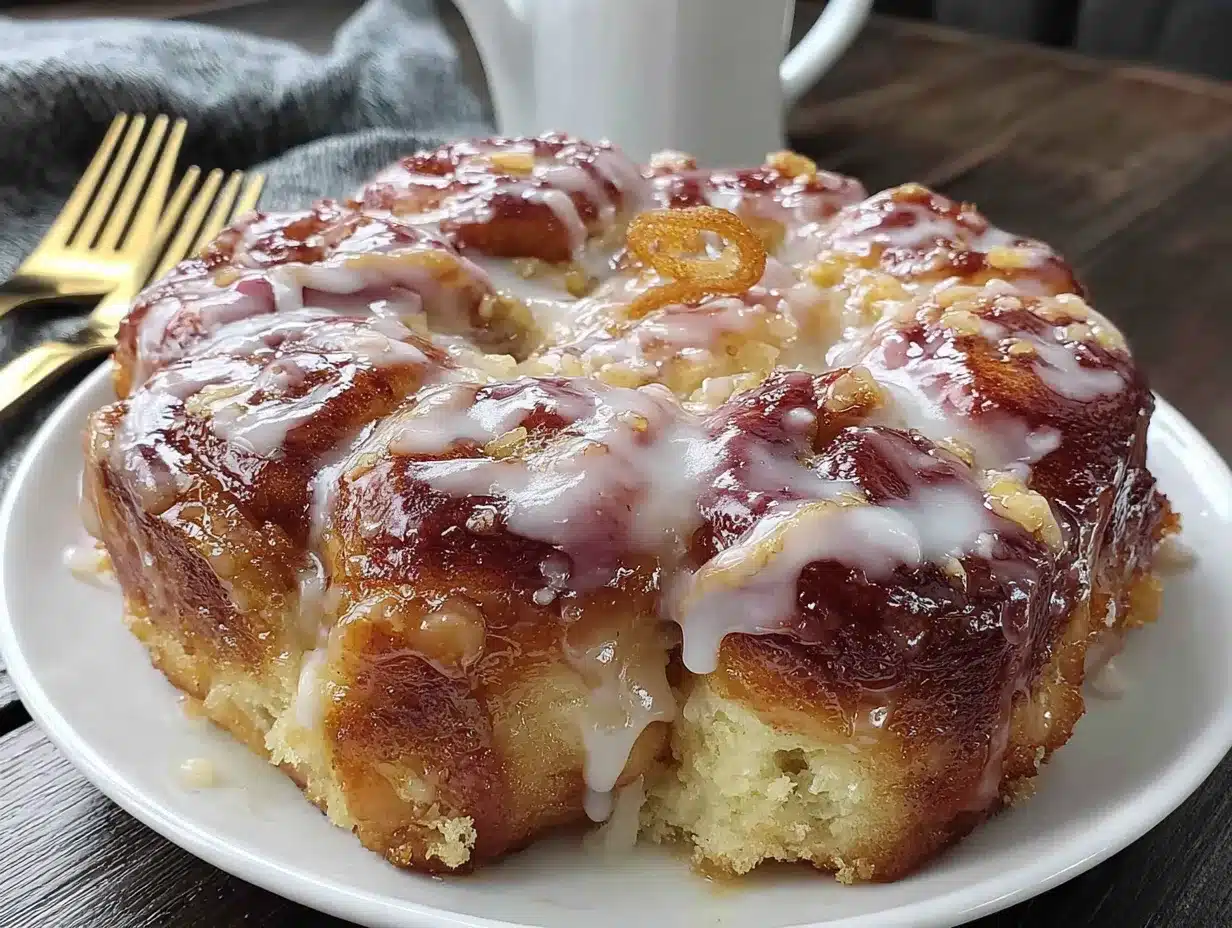
This is where the magic happens. Follow these steps, and you’ll have a breakfast that feels like a warm hug.
- Prepare the baking dish (5 minutes): Lightly grease your 9×13-inch baking dish with butter or non-stick cooking spray. Don’t skip this step — the caramelized edges are the best part, and you don’t want them stuck to the dish.
- Cut the cinnamon rolls (5 minutes): Open both cans of cinnamon rolls. Set aside the included icing packets (you can use them for another recipe or thin them with milk for a quick drizzle). Using a sharp knife or pizza cutter, cut each cinnamon roll into quarters. You want bite-sized pieces that will soak up the custard evenly.
- Arrange in the dish (2 minutes): Scatter the cinnamon roll pieces evenly in the prepared baking dish. Try to spread them out so there aren’t any big clumps — this helps the custard reach every piece.
- Make the custard (5 minutes): In a large mixing bowl, whisk together the eggs, low-fat milk, granulated sugar, vanilla extract, ground cinnamon, and salt. Whisk until the eggs are fully incorporated and the mixture is smooth and slightly frothy. Don’t over-whisk — you just want everything combined.
- Pour the custard (2 minutes): Slowly pour the custard mixture evenly over the cinnamon roll pieces. Gently press down on the rolls with a spatula to make sure they’re all submerged. Some pieces might float up — that’s okay. Just make sure most of them are coated.
- Cover and refrigerate (overnight, at least 8 hours): Cover the dish tightly with plastic wrap or aluminum foil. Place it in the refrigerator. This is the crucial step — the overnight rest allows the cinnamon rolls to absorb the custard, resulting in that soft, almost bread-pudding-like texture. Don’t rush this! I’ve tried a 2-hour soak, and it’s just not the same.
- Bake the casserole (35-40 minutes): The next morning, preheat your oven to 350°F (175°C). Remove the dish from the refrigerator and let it sit on the counter while the oven heats up (about 10 minutes). Bake, uncovered, for 35-40 minutes, or until the top is golden brown and the center is set. You’ll know it’s done when a knife inserted in the center comes out clean or with just a few moist crumbs. The edges should be bubbling slightly.
- Make the cream cheese glaze (5 minutes): While the casserole bakes, make the glaze. In a small bowl, beat the softened cream cheese until smooth. Add the powdered sugar, 2 tablespoons of milk, and vanilla extract. Beat until smooth and creamy. If the glaze is too thick, add another tablespoon of milk. If it’s too thin, add a little more powdered sugar. You want it to be pourable but not runny.
- Glaze and serve (5 minutes): Let the casserole cool for about 10 minutes after it comes out of the oven. This is important — if you glaze it while it’s piping hot, the glaze will melt into a puddle. Drizzle the cream cheese glaze over the top. Serve warm.
Sensory Cues: When you pour the custard over the cinnamon rolls, you should hear a soft sizzle as the liquid hits the dish. As it bakes, your kitchen will fill with the smell of cinnamon and vanilla — that’s how you know it’s working. The top should be a deep golden brown, and you’ll see the custard bubbling up around the edges. When you cut into it, the inside should be soft and tender, not soggy or dry.
Troubleshooting Tip: If the top is browning too quickly but the center isn’t set yet, loosely tent the dish with aluminum foil for the last 10 minutes of baking. This happened to me once when I used a dark metal pan — the foil saved it.
Cooking Tips & Techniques
Over the many times I’ve made this casserole (and trust me, there have been many), I’ve picked up a few tricks that make a real difference.
The Room Temperature Rule: This is non-negotiable for the eggs and cream cheese. Cold eggs won’t whisk into the milk smoothly, and cold cream cheese will leave you with a lumpy glaze. Take them out of the fridge about 30 minutes before you start. I learned this the hard way when I made a glaze that looked like cottage cheese. Not cute.
The Quick-Soak Method: If you forget to prep this the night before (it happens to the best of us), you can do a quick-soak version. Warm the milk slightly before whisking it with the eggs — this helps the custard absorb faster. Let the assembled casserole sit at room temperature for 30-45 minutes before baking. It won’t be quite as soft as the overnight version, but it’s still delicious. I’ve done this on more Christmas mornings than I care to admit.
Don’t Overmix the Custard: When you whisk the eggs and milk together, you want them just combined. Over-whisking incorporates too much air, which can make the casserole puff up in the oven and then collapse. You’re not making a soufflé here — just a gentle mix is fine.
The Perfect Cut: Use a pizza cutter to cut the cinnamon rolls. It’s faster than a knife, and it gives you clean edges without squishing the rolls. I tried using a butter knife once, and it was a sticky, frustrating mess. Never again.
Timing Strategy: I like to prep this the night before a big brunch. That way, in the morning, I just preheat the oven, make the glaze while it bakes, and I’m done. It frees me up to make coffee, set the table, or just sit and enjoy the chaos of a holiday morning without being stuck in the kitchen.
Consistency Check: Every oven is different. My oven runs a little hot, so I start checking the casserole at the 30-minute mark. If the center jiggles when you shake the dish, it needs more time. If a knife comes out clean, it’s done. Write down what works for your oven — you’ll thank yourself later.
Variations & Adaptations
One of the best things about this recipe is how easy it is to tweak. Here are some variations I’ve tried and loved:
- Apple Cinnamon Version: Peel and dice one large apple (Granny Smith or Honeycrisp work great) and scatter the pieces over the cinnamon rolls before pouring the custard. The apple softens as it bakes and adds a lovely tartness that balances the sweetness. I make this version in the fall, and it always gets rave reviews.
- Pumpkin Spice Twist: Add ½ cup of pumpkin puree and 1 teaspoon of pumpkin pie spice to the custard mixture. Reduce the milk by ¼ cup to account for the extra moisture. This is my go-to for Thanksgiving morning — it feels festive without being over the top.
- Chocolate Lover’s Version: Sprinkle ½ cup of mini chocolate chips over the cinnamon rolls before adding the custard. Use a chocolate cream cheese glaze by adding 2 tablespoons of cocoa powder to the glaze mixture. It’s indulgent, but sometimes you just need chocolate for breakfast.
- Nutty Crunch: Toast ½ cup of chopped pecans or walnuts in a dry skillet over medium heat for 3-4 minutes until fragrant. Sprinkle them over the casserole before baking. The crunch is a nice contrast to the soft, custardy interior.
- Lower-Carb Option: Use sugar-free cinnamon rolls (they exist, I promise) and a sugar substitute in the custard and glaze. The texture will be slightly different, but it’s a solid option if you’re watching your carbs. I’ve tested this with monk fruit sweetener, and it worked surprisingly well.
Dietary Adaptations: For a gluten-free version, use gluten-free cinnamon rolls. For a dairy-free version, use unsweetened oat milk and dairy-free cream cheese. The glaze will be a bit thinner, but the flavor is still there. I’ve made this for friends with various dietary restrictions, and it’s always been a hit.
Serving & Storage Suggestions
This casserole is best served warm, straight from the oven. The contrast between the slightly crispy edges and the soft, custardy center is at its peak when it’s fresh. Here’s how I like to serve it:
Serving Temperature: Let it cool for about 10 minutes before glazing and serving. This gives the custard time to set a bit, so it doesn’t turn into a soupy mess on the plate. I serve it in bowls or on plates with a generous drizzle of the cream cheese glaze. A sprinkle of extra cinnamon on top is a nice touch.
Complementary Dishes: This casserole is rich enough to stand on its own, but it pairs beautifully with fresh fruit — a simple berry salad or sliced oranges cut through the sweetness. A side of crispy bacon or breakfast sausage adds a savory balance. For a brunch spread, I’ll serve it alongside a frittata or a simple green salad. For drinks, coffee is the obvious choice, but a tall glass of cold milk is also perfect.
Storage Instructions: Leftovers (if you have any!) can be stored in an airtight container in the refrigerator for up to 3 days. The texture will soften a bit as it sits, but it’s still delicious. To reheat, microwave individual portions for 30-45 seconds, or reheat the whole dish in a 300°F oven for 10-15 minutes. I actually think the flavors meld together even more overnight, so leftovers are a treat.
Freezer Tips: You can freeze this casserole either before or after baking. To freeze before baking, assemble the casserole in a freezer-safe dish, cover tightly, and freeze for up to 3 months. Thaw overnight in the refrigerator before baking. To freeze after baking, let the casserole cool completely, then wrap it tightly in plastic wrap and foil. Freeze for up to 3 months. Thaw in the refrigerator overnight and reheat in a 300°F oven until warmed through. The glaze is best added fresh after reheating.
Nutritional Information & Benefits
I’m not a nutritionist, but I do care about what I put in my body. This lighter version is designed to be a more balanced breakfast option without sacrificing the indulgence. Here’s an approximate breakdown per serving (based on 8 servings):
- Calories: ~320
- Fat: 12g (with 5g saturated fat)
- Carbohydrates: 45g
- Fiber: 1g
- Sugar: 22g (naturally occurring and added)
- Protein: 9g
- Sodium: 450mg
Health Benefits: By using low-fat milk and reduced-fat cream cheese, I’ve cut the saturated fat by about 30% compared to traditional versions. The eggs provide a good source of protein and choline, which is great for brain health. Cinnamon has anti-inflammatory properties and can help regulate blood sugar. It’s not a health food, but it’s a smarter choice for a special breakfast.
Dietary Considerations: This recipe contains gluten, dairy, and eggs. For gluten-free, dairy-free, or vegan adaptations, see the variations section above. If you’re watching your sodium intake, use unsalted butter to grease the dish and consider a low-sodium cinnamon roll brand.
My Personal Perspective: I believe in balance. I don’t want to eat a heavy, sugar-laden breakfast that leaves me feeling sluggish, but I also don’t want to feel deprived. This casserole hits that sweet spot — it feels like a treat, but it’s made with ingredients I feel good about. It’s the kind of breakfast that fuels a lazy morning of opening presents or catching up with friends.
Conclusion
This Lighter Overnight Cinnamon Roll Casserole with Cream Cheese Glaze is more than just a breakfast recipe — it’s a solution to the chaos of holiday mornings and the answer to “what do I bring to brunch?” It’s the recipe that started as a mistake and became a staple. Every time I make it, I remember that Tuesday when everything went wrong and something wonderful came out of it.
I hope you’ll give this recipe a try and make it your own. Maybe you’ll add apples in the fall or chocolate chips when you need a little extra comfort. That’s the beauty of it — it’s forgiving, flexible, and always delicious. If you make it, I’d love to hear how it turned out. Drop a comment below and let me know what variations you tried or if you had your own happy accident in the kitchen.
Until next time, happy cooking — and don’t be afraid of the mistakes. Sometimes they turn out to be the best recipes of all.
Frequently Asked Questions
Can I use homemade cinnamon rolls instead of canned?
Absolutely! If you have leftover homemade cinnamon rolls or want to make your own from scratch, they work beautifully in this recipe. Just make sure they’re day-old or slightly stale so they absorb the custard properly. Fresh, soft rolls can turn mushy.
Can I make this casserole dairy-free?
Yes, you can. Use unsweetened oat milk or almond milk in place of the low-fat milk, and use a dairy-free cream cheese alternative for the glaze. The texture will be slightly less creamy, but the flavor is still wonderful. I’ve tested it with oat milk, and it’s a solid option.
How do I know when the casserole is fully baked?
The top should be golden brown, and the center should be set — not jiggly. Insert a knife or toothpick into the center; if it comes out clean or with just a few moist crumbs, it’s done. If it comes out wet with uncooked custard, give it another 5-10 minutes.
Can I skip the overnight rest and bake it immediately?
You can, but the texture won’t be the same. The overnight rest allows the cinnamon rolls to fully absorb the custard, resulting in a soft, bread-pudding-like texture. If you’re in a hurry, try the quick-soak method mentioned in the tips section — it’s a decent compromise.
Can I use sugar-free cinnamon rolls?
Yes, sugar-free cinnamon rolls work well in this recipe. Just be aware that they may have a slightly different texture and sweetness level. Adjust the sugar in the custard and glaze to your taste. I’ve used them before, and they’re a great option for those watching their sugar intake.
Pin This Recipe!
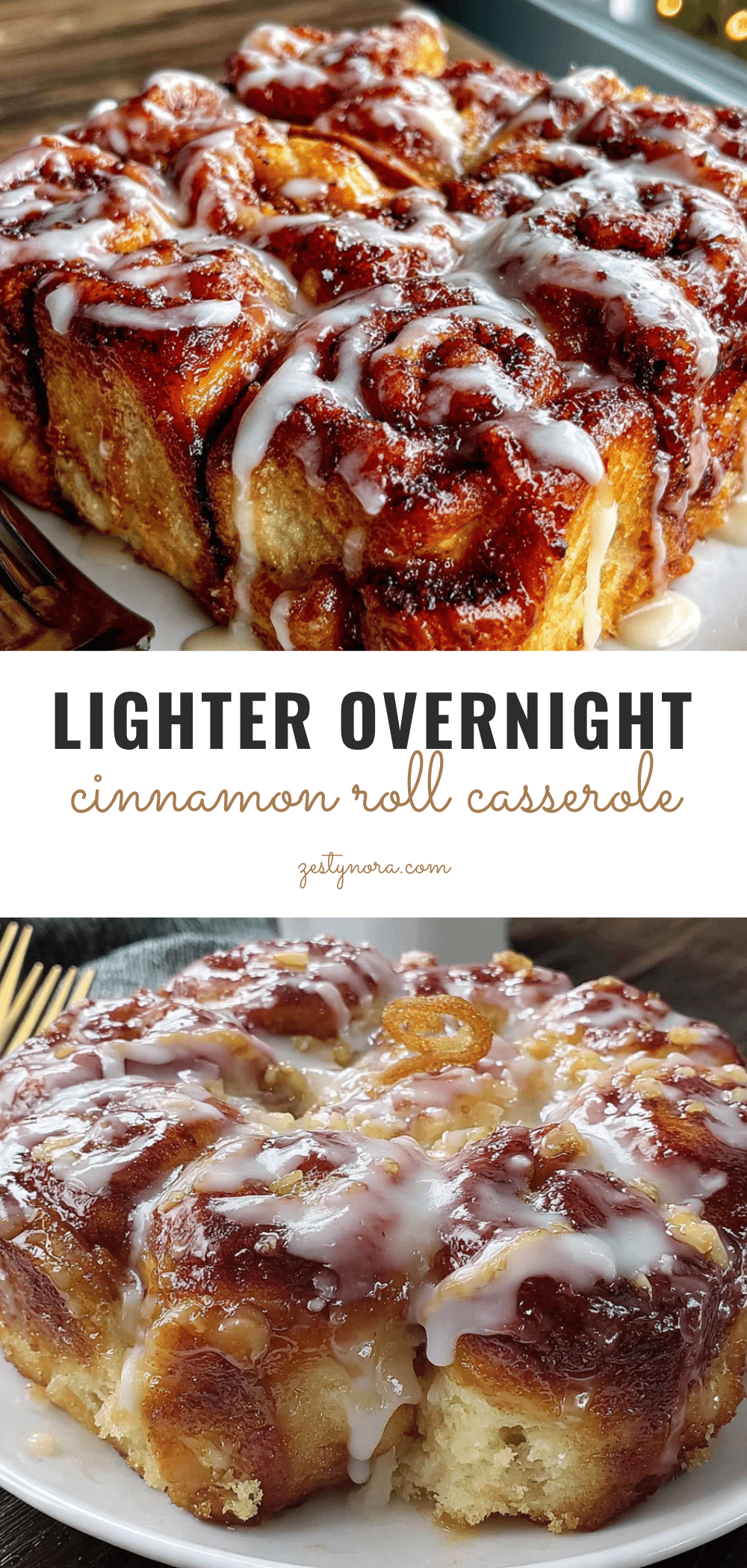
Lighter Overnight Cinnamon Roll Casserole with Cream Cheese Glaze

A lighter version of the classic cinnamon roll casserole, made with refrigerated cinnamon rolls, a light custard, and a creamy reduced-fat cream cheese glaze. Perfect for holiday mornings or weekend brunch, this dish is quick to assemble the night before and bakes up golden and delicious.
- Prep Time: 15 minutes
- Cook Time: 35-40 minutes
- Total Time: 8 hours 50 minutes (includes overnight refrigeration)
- Yield: 8 servings 1x
- Category: Breakfast / Brunch
- Cuisine: American
Ingredients
- 2 cans (12.4 oz each) refrigerated cinnamon rolls with icing (e.g., Pillsbury Grands!)
- 4 large eggs, at room temperature
- 1 ½ cups low-fat milk (2% or whole milk; or unsweetened almond/oat milk for dairy-free)
- ¼ cup granulated sugar (or monk fruit sweetener)
- 1 tablespoon vanilla extract
- 1 teaspoon ground cinnamon
- ¼ teaspoon salt
- 4 oz reduced-fat cream cheese, softened (Neufchâtel cheese)
- ½ cup powdered sugar (or powdered monk fruit sweetener)
- 2–3 tablespoons low-fat milk (for glaze)
- ½ teaspoon vanilla extract (for glaze)
- Optional: ½ cup chopped pecans or walnuts
- Optional: ¼ cup raisins or dried cranberries
- Optional: pinch of nutmeg or cardamom
Instructions
- Lightly grease a 9×13-inch baking dish with butter or non-stick cooking spray.
- Open both cans of cinnamon rolls; set aside the icing packets. Cut each cinnamon roll into quarters using a sharp knife or pizza cutter.
- Scatter the cinnamon roll pieces evenly in the prepared baking dish.
- In a large mixing bowl, whisk together eggs, low-fat milk, granulated sugar, vanilla extract, ground cinnamon, and salt until smooth and slightly frothy.
- Slowly pour the custard mixture evenly over the cinnamon roll pieces. Gently press down with a spatula to ensure most pieces are submerged.
- Cover the dish tightly with plastic wrap or aluminum foil and refrigerate for at least 8 hours or overnight.
- The next morning, preheat oven to 350°F (175°C). Remove dish from refrigerator and let sit on counter for about 10 minutes while oven heats.
- Bake uncovered for 35-40 minutes, until top is golden brown and center is set (a knife inserted in center comes out clean or with a few moist crumbs).
- While casserole bakes, make the glaze: In a small bowl, beat softened cream cheese until smooth. Add powdered sugar, 2 tablespoons milk, and vanilla extract; beat until smooth and creamy. Add more milk if needed for desired consistency.
- Let casserole cool for about 10 minutes, then drizzle cream cheese glaze over the top. Serve warm.
Notes
For best texture, do not skip the overnight rest. If top browns too quickly, tent with foil for last 10 minutes. For a quick-soak method, warm the milk slightly and let assembled casserole sit at room temperature for 30-45 minutes before baking. Leftovers can be stored in the refrigerator for up to 3 days; reheat in microwave or oven.
Nutrition
- Serving Size: 1 serving (1/8 of ca
- Calories: 320
- Sugar: 22
- Sodium: 450
- Fat: 12
- Saturated Fat: 5
- Carbohydrates: 45
- Fiber: 1
- Protein: 9
Keywords: cinnamon roll casserole, overnight casserole, lighter cinnamon roll, cream cheese glaze, brunch recipe, holiday breakfast, easy breakfast casserole