This was supposed to be a simple weekend bake—just a quick sweet bread to warm up the kitchen and keep the kids busy. I grabbed what I thought was the right bag of flour, but, honestly, it turned out to be coarser than usual. The oven was on the fritz, heating unevenly, and I was already juggling a cranky toddler and a kitchen full of flour dust. What came out was nothing like the perfect, fluffy Rosca de Reyes I’d imagined—denser, a bit rustic, with a zingy hint of orange that sneaked in when I accidentally added a bit more zest than planned.
I mean, maybe you’ve been there—trying to nail that traditional recipe and instead ending up with what feels like a kitchen disaster. But here’s the kicker: that imperfect Roasca with its unexpected texture and bold citrus notes? It quickly became a family favorite, the kind that made us forget all the chaos around the baking. It wasn’t the usual smooth, glossy bread we expected, but it had heart, flavor, and a story we still laugh about every January.
So, if you’re looking for a Classic Rosca de Reyes with Zesty Orange and Candied Fruit that’s forgiving, full of character, and genuinely delicious—even when the kitchen’s not cooperating—this recipe’s for you. Trust me, it’s perfect for those regular family meals where you want to impress without stress, using affordable ingredients that stretch well into leftovers (if there are any left!).
Why You’ll Love This Recipe
After many rounds of trial and error, this recipe really stands out in our busy household for several reasons:
- Quick & Easy: Comes together in under 2 hours, ideal for busy weeknights or last-minute gathering plans.
- Simple Ingredients: No fancy or hard-to-find items required—just pantry staples you probably already have on hand.
- Perfect for Family Occasions: A festive centerpiece that works great for celebrations or Sunday brunch.
- Crowd-Pleaser: Kids and adults alike adore the sweet chew of candied fruit balanced by the fresh orange zest.
- Unbelievably Delicious: The combination of a tender, slightly citrusy crumb and colorful candied fruit feels like comfort food with a twist.
This isn’t just another Rosca recipe. What sets it apart is the way the orange zest is incorporated—not just sprinkled on top, but blended through the dough for that subtle, lingering brightness. Plus, the method to fold the dough gently yields a tender crumb that reheats beautifully the next day, which, honestly, is a lifesaver when feeding a hungry family. It’s the kind of recipe you close your eyes for a moment after the first bite and savor the simple joy of homemade tradition.
What Ingredients You Will Need
This recipe uses straightforward, wholesome ingredients to create a rich, flavorful Rosca de Reyes with a zesty twist and that signature candied fruit topping. Most are pantry staples, and substitutions are easy if you’re tweaking for dietary needs.
- For the Dough:
- All-purpose flour – 4 cups (480g), sifted (I prefer King Arthur for consistent results)
- Granulated sugar – 1/2 cup (100g)
- Active dry yeast – 2 1/4 tsp (one packet)
- Whole milk – 1 cup (240ml), warmed to about 110°F (43°C)
- Unsalted butter – 1/2 cup (115g), softened (adds richness)
- Large eggs – 3, room temperature (helps with dough elasticity)
- Orange zest – 2 tbsp (from about 2 medium oranges), fresh and finely grated (key for that zesty flavor)
- Salt – 1 tsp
- Vanilla extract – 1 tsp (optional, but adds warmth)
- For the Topping:
- Candied fruit mix – 1 cup (150g), chopped (traditionally a mix of cherries, pineapple, and citrus peel; you can find this at most supermarkets)
- Egg wash – 1 egg beaten with 1 tbsp water (for that golden shine)
- Coarse sugar – 2 tbsp (for sprinkling, adds crunch)
- Optional:
- Almond slices – 1/4 cup (30g) for extra texture and nutty flavor
- Orange blossom water – 1 tsp (if you want a floral note, but not necessary)
For those needing gluten-free options, you can swap the all-purpose flour with a gluten-free blend designed for yeast breads. Dairy-free milk and butter substitutes work well too—just keep the liquid warm to activate the yeast properly.
Equipment Needed
- Large mixing bowl – for combining dough ingredients
- Stand mixer with dough hook attachment (optional but speeds things up; otherwise, a sturdy wooden spoon and some elbow grease will do)
- Measuring cups and spoons – precise measurements are key for bread
- Zester or microplane – to finely grate fresh orange zest
- Kitchen thermometer – handy to check milk temperature for yeast activation
- Baking sheet or round cake pan – a 12-inch (30 cm) ring is ideal for shaping the Rosca
- Parchment paper – for easy cleanup and to prevent sticking
- Pastry brush – for applying the egg wash evenly
If you don’t have a stand mixer, no worries—I’ve made this dough many times by hand. Just allow a little extra kneading time. Also, when it comes to the baking pan, a proper ring pan helps keep the traditional shape, but you can fashion one from foil if needed.
Preparation Method
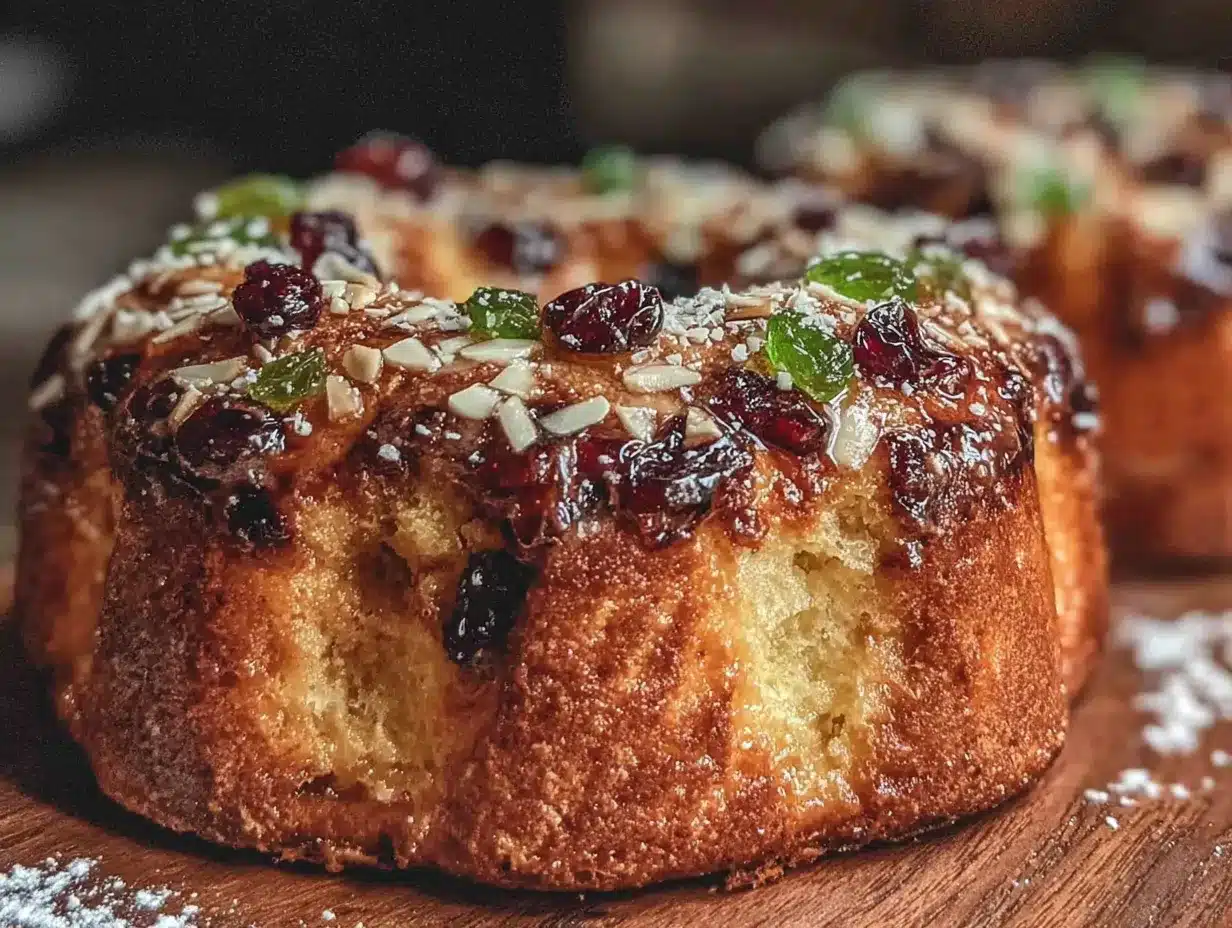
- Activate the Yeast: In your large bowl, combine the warm milk (110°F/43°C) with the yeast and 1 tablespoon of sugar. Stir gently and let sit for 5–10 minutes until frothy and bubbling—this means your yeast is alive and well.
- Mix the Dough: Add the remaining sugar, softened butter, eggs, orange zest, vanilla extract (if using), and salt to the yeast mixture. Stir to combine.
- Add the Flour: Gradually add the sifted flour, about 1 cup at a time, mixing well after each addition. If using a stand mixer, use the dough hook on low speed until the dough starts pulling away from the sides. If mixing by hand, expect a sticky, shaggy dough that will come together with kneading.
- Knead: Turn the dough onto a floured surface and knead for about 8–10 minutes until smooth and elastic. If it’s too sticky, dust lightly with flour but avoid adding too much, or the bread will turn out dry.
- First Rise: Shape the dough into a ball, place it in a lightly greased bowl, and cover with a clean kitchen towel or plastic wrap. Let it rise in a warm spot for 1 to 1.5 hours, or until doubled in size. (I like setting mine near a sunny window or on top of the fridge.)
- Shape the Rosca: Once risen, punch the dough down gently to release air. Roll it into a long rope about 24 inches (60 cm) long. Form it into a large ring, pinching the ends to seal and placing it on a parchment-lined baking sheet or ring pan.
- Decorate: Brush the ring with egg wash, then press the candied fruit and optional almond slices evenly over the surface. Sprinkle with coarse sugar for that final sparkle.
- Second Rise: Cover loosely and let the shaped dough rest for another 30–45 minutes to puff up slightly.
- Bake: Preheat your oven to 350°F (175°C). Bake the Rosca for 25–30 minutes, or until golden brown and a toothpick inserted comes out clean. If the bread is browning too quickly, tent with foil halfway through baking.
- Cool: Transfer to a wire rack and let cool completely before slicing. This helps the crumb set and flavors to develop.
Pro tip: If you notice the dough is still sticky during shaping, keep your hands lightly floured, but don’t overdo it. And if your oven tends to run hot, check the bread 5 minutes earlier to avoid burning. Trust me, a little patience makes all the difference!
Cooking Tips & Techniques
Making Rosca de Reyes can feel intimidating, but a few tips help it come together beautifully every time. First off, patience with yeast is your ally. Make sure your milk is just warm enough to wake the yeast but not so hot it kills it. I once overheated the milk and ended up with a dough that never rose—lesson learned the hard way!
Kneading is another moment where less can be more. You want the dough smooth and elastic, not stiff. If you’re new to kneading, try the “windowpane test”—stretch a small piece of dough until it’s translucent without tearing. If it snaps, knead a bit longer.
Don’t rush the rising times. The longer, slower rise means better flavor and softer texture, which is crucial for family meals where leftovers often get reheated. When shaping the ring, keep it even in thickness so it bakes uniformly; I like to measure roughly and adjust by eye.
Egg wash isn’t just for looks—it locks in moisture and gives that irresistible golden crust. And don’t forget the candied fruit! Press it firmly so it doesn’t fall off during baking. If you’re using almond slices, toast them lightly beforehand for extra nuttiness.
Variations & Adaptations
Rosca de Reyes is wonderfully versatile. Here are some ways to make it your own or fit special diets:
- Gluten-Free Version: Use a gluten-free bread flour blend and add xanthan gum if your mix doesn’t include it. The texture will be slightly different but still delicious.
- Vegan Adaptation: Swap eggs for flax eggs (1 tbsp flaxseed meal + 3 tbsp water per egg), dairy milk for almond or oat milk, and butter for a plant-based spread. The orange zest keeps the flavor bright.
- Seasonal Fruits: Instead of traditional candied fruits, try dried cranberries or chopped dried apricots for a twist. In summer, fresh berries added after baking make a lovely contrast.
- Spiced Version: Add 1 tsp ground cinnamon or a pinch of nutmeg to the dough for a warm, festive aroma.
- Personal Touch: I once tried adding a thin layer of cream cheese mixed with orange marmalade inside before shaping the ring—surprised my family, and they loved the creamy surprise!
Serving & Storage Suggestions
Serve the Rosca de Reyes at room temperature, sliced thick with a cup of hot chocolate or coffee. It’s perfect for a cozy family breakfast or afternoon snack. Leftovers keep well—wrap tightly in plastic wrap or store in an airtight container.
In the fridge, the bread stays fresh for up to 4 days, but honestly, it rarely lasts that long in our house! For longer storage, freeze sliced pieces individually wrapped for up to 2 months. Reheat gently in a toaster oven or microwave—just a few seconds to revive that soft crumb and melt the butter inside.
Interestingly, the flavors meld and mellow after a day, especially the orange zest and candied fruit, making leftovers arguably even better. So don’t be shy about making a bigger batch. It’s a win-win for feeding a crowd or keeping the family happy during busy mornings.
Nutritional Information & Benefits
This Classic Rosca de Reyes recipe offers a satisfying balance of carbs and fats providing energy for busy families. The fresh orange zest adds a boost of vitamin C and antioxidants, while the candied fruit contributes small amounts of vitamins and minerals.
Per serving (approximate):
| Calories | 280 |
|---|---|
| Carbohydrates | 45g |
| Protein | 6g |
| Fat | 7g |
| Fiber | 1.5g |
It’s not a low-carb bread, but it’s made with recognizable ingredients and no artificial additives. The recipe is naturally gluten unless adapted, and contains eggs and dairy. For families with allergies, simple swaps can tailor it to your needs.
Conclusion
This Classic Rosca de Reyes with Zesty Orange and Candied Fruit has earned its place at my table again and again—not because it’s perfect, but because it’s honest, forgiving, and full of warmth. It’s the kind of recipe that invites you to slow down, embrace the little kitchen mishaps, and end up with something truly delicious and comforting.
Feel free to tweak the orange zest, swap fruits, or try the variations to suit your family’s tastes. I’d love to hear how your Rosca turns out—drop a comment or share your own kitchen stories. After all, recipes are better when they carry our own memories.
So go ahead, bake this classic with a twist, and bring a little festive joy to your family’s table—one slice at a time.
Frequently Asked Questions
What is Rosca de Reyes?
Rosca de Reyes is a traditional sweet bread enjoyed in many Spanish-speaking countries on January 6th to celebrate the Epiphany. It’s shaped like a ring and decorated with candied fruit.
Can I make Rosca de Reyes ahead of time?
Yes! You can bake it a day ahead and store it at room temperature or refrigerate. It actually tastes better the next day as the flavors develop.
What can I do if my dough doesn’t rise?
Check the yeast’s freshness and milk temperature. Make sure the dough is in a warm place, not too cold or drafty. Sometimes, a longer rise helps.
Is it necessary to use candied fruit?
While traditional, you can substitute with dried fruit or even fresh berries after baking for a different flavor profile.
How do I store leftover Rosca de Reyes?
Wrap leftovers tightly in plastic wrap or store in an airtight container at room temperature for up to 2 days, or in the fridge for up to 4 days. For longer storage, freeze slices individually wrapped.
Pin This Recipe!
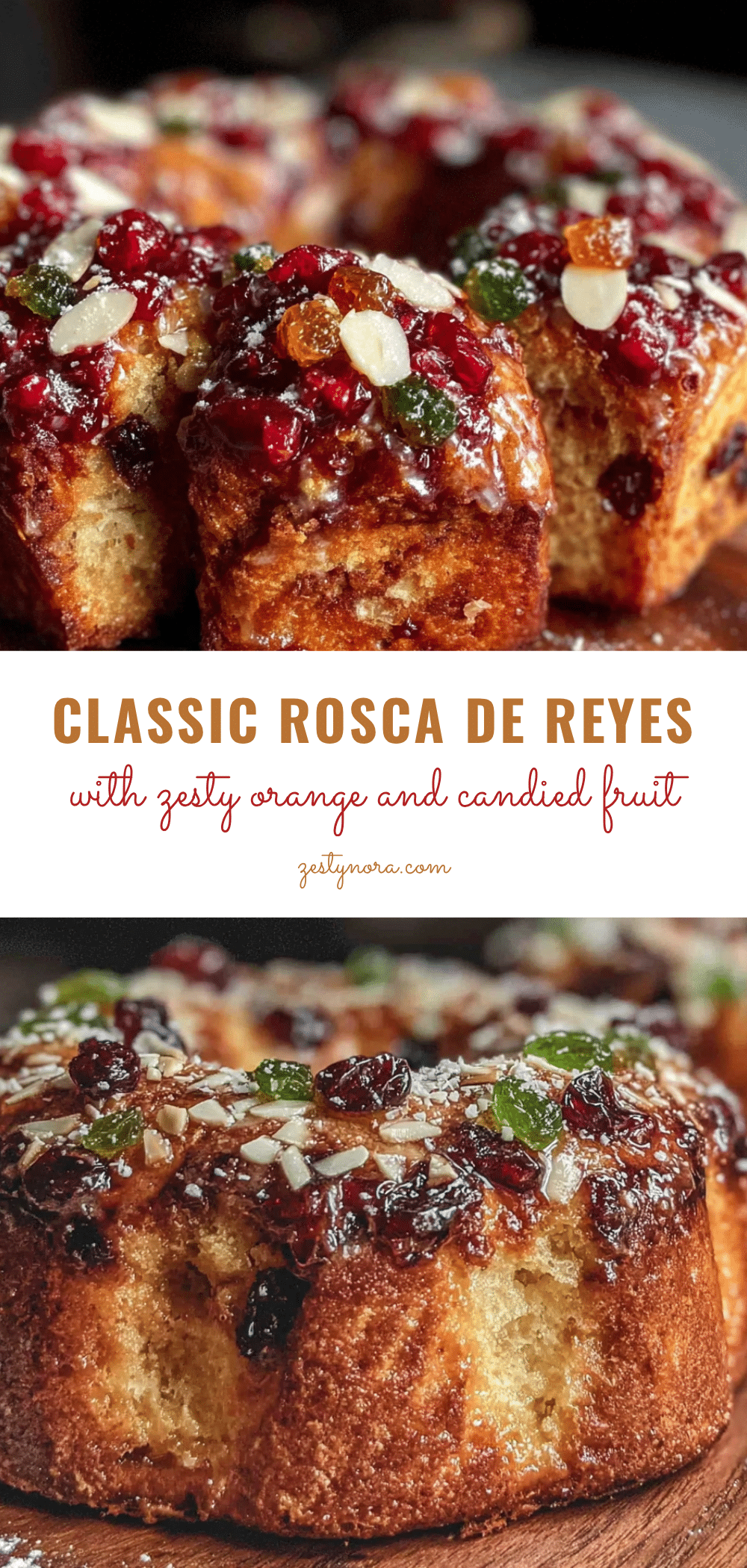
Classic Rosca de Reyes Recipe Easy Homemade Zesty Orange and Candied Fruit

A traditional sweet bread with a zesty orange twist and colorful candied fruit topping, perfect for family occasions and celebrations. This forgiving recipe yields a tender crumb and a festive centerpiece that’s delicious even with kitchen mishaps.
- Prep Time: 30 minutes
- Cook Time: 30 minutes
- Total Time: 1 hour 30 minutes to 2 hours
- Yield: 8 servings 1x
- Category: Dessert
- Cuisine: Mexican
Ingredients
- 4 cups (480g) all-purpose flour, sifted
- 1/2 cup (100g) granulated sugar
- 2 1/4 tsp active dry yeast (one packet)
- 1 cup (240ml) whole milk, warmed to about 110°F (43°C)
- 1/2 cup (115g) unsalted butter, softened
- 3 large eggs, room temperature
- 2 tbsp fresh orange zest (from about 2 medium oranges), finely grated
- 1 tsp salt
- 1 tsp vanilla extract (optional)
- 1 cup (150g) candied fruit mix, chopped (cherries, pineapple, citrus peel)
- 1 egg beaten with 1 tbsp water (egg wash)
- 2 tbsp coarse sugar for sprinkling
- Optional: 1/4 cup (30g) almond slices
- Optional: 1 tsp orange blossom water
Instructions
- Activate the yeast by combining warm milk (110°F/43°C) with yeast and 1 tablespoon sugar in a large bowl. Let sit 5–10 minutes until frothy.
- Add remaining sugar, softened butter, eggs, orange zest, vanilla extract (if using), and salt to the yeast mixture. Stir to combine.
- Gradually add sifted flour about 1 cup at a time, mixing well after each addition. Use a stand mixer with dough hook on low speed or mix by hand until dough starts pulling away from sides.
- Turn dough onto floured surface and knead 8–10 minutes until smooth and elastic. Dust lightly with flour if too sticky.
- Shape dough into a ball, place in greased bowl, cover, and let rise in warm spot 1 to 1.5 hours until doubled in size.
- Punch down dough gently, roll into a 24-inch (60 cm) rope, and form into a ring. Pinch ends to seal and place on parchment-lined baking sheet or ring pan.
- Brush ring with egg wash, press candied fruit and optional almond slices evenly over surface, and sprinkle with coarse sugar.
- Cover loosely and let rest 30–45 minutes for second rise.
- Preheat oven to 350°F (175°C). Bake Rosca 25–30 minutes until golden brown and toothpick inserted comes out clean. Tent with foil if browning too quickly.
- Cool on wire rack completely before slicing.
Notes
If dough is sticky during shaping, keep hands lightly floured but avoid adding too much flour to prevent dryness. Check oven temperature and tent bread with foil if browning too fast. For gluten-free or vegan adaptations, substitute flour, milk, butter, and eggs accordingly. Toast almond slices before use for extra nuttiness.
Nutrition
- Serving Size: 1 slice
- Calories: 280
- Fat: 7
- Carbohydrates: 45
- Fiber: 1.5
- Protein: 6
Keywords: Rosca de Reyes, sweet bread, orange zest, candied fruit, traditional bread, festive bread, holiday bread, homemade Rosca